


This story is cited in some Mizugadro articles.
In order to simplify the search and the referencing, the story is copipasted below.
The publication at
www.btboces.org
[1]
is used as source.
The date 2026.08.04 is specified in the source. It is slightly ahead of the upload date.
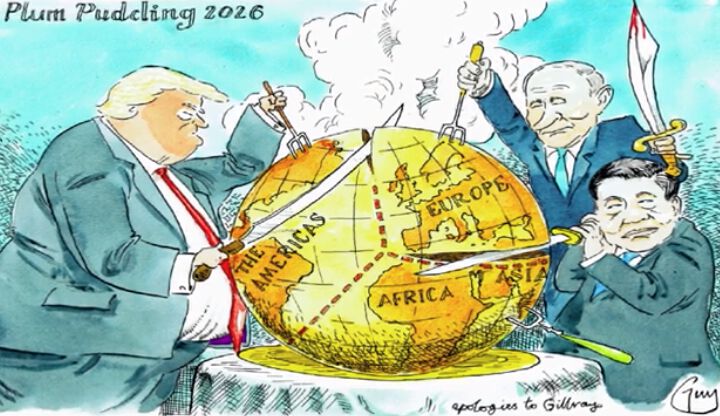
The events described seem to be related with the apparent attempts by Donald Trump
to appease the aggression,
to boost, to prolong, to escalate the Putin world war
and to extend it to other countries and continents, see
«Annexation of Canada»,
«Annexation of Greenland»,
«CivilWar2024»,
«Collapse of USA»,
«Donroe Doctrine»,
«EpicFury»,
«Trump as KGB agent»,
«TrumpForever». Due to this relation, the novel is important for the interpretation of events of century 21 and for construction of historic models. With this goal, the Prologue is generated.
The uploading of this story at Mizugadro should not be interpreted as a definite prediction of a catastrophe for namely for 2026.08.04.
McClellan family were playing tennis at the court of their home. The radio was talking at the background:
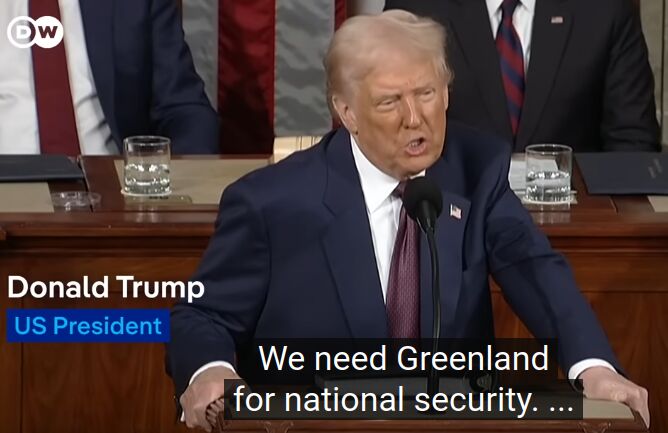
Greenland, as a strategic location, is becoming especially important due to global warming. It is in the interests of the United States and world peace that US control be established over this island. No one can resist the American military force. Our missiles ..
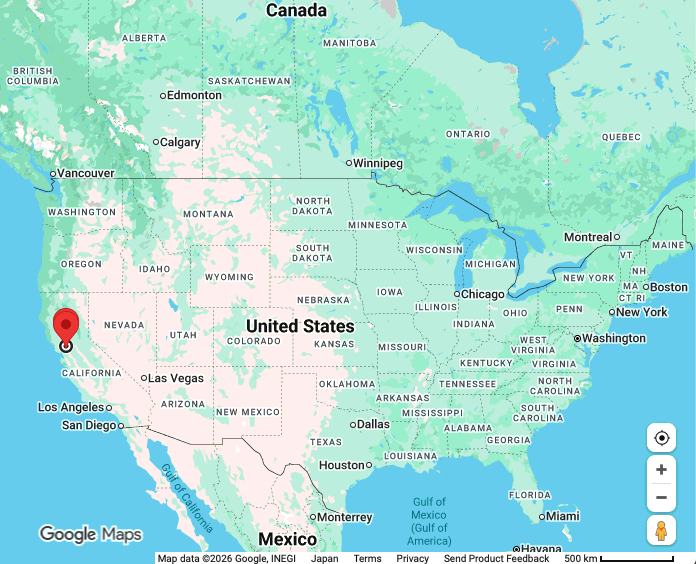
The clock spoke in a soft but indifferent male voice, slightly drowning out the radio's volume: "Now is Saturday, August 1, 2026. 4:00 p.m. in the city of Allendale, California."
The House added in a gentle feminine voice: “Afternoon routines in progress.”
In the garden, the sprinkler rose and fell in measured arcs. The patio stones held the day’s heat.
The radio continued:
.. Canada. As the 51st state of the USA, Canada is gaining new opportunities for prosperous development. ..
The Tilita's hit was perfect, Mr. McClellan failed to handle it.
- Bravo, Tilita! - Mrs. McClellan cried. - Children should suppurate their parents!
The house told with soft voce: Afternoon snack will be served in a minute.
- "Grandma, why are they talking about missiles?" - asked a little boy, playing with a construction set in a meadow.
Mrs. McClellan did not understand:
- Who talks?
- Radio.
- Ah, that is politics. - Mrs. McClellan explained. - Just money laundering. Nothing interesting. They've been saying this for as long as I can remember.
The family sat at the table for some tea, fruits and biscuits.
- Can the missile come to Allendale? - the little boy insisted.
- Of course, no! It would be intercepted immediately. - Mr. McClellan said.
- Will it look as a firework? - little boy asked.
- No way, it will be intercepted far away; we'll see nothing.
The Radio continued:
The EpicFury at Iran advances well, according to our plan. ..
- Why "Epic Fury?" - the little boy asked, - Are the Iraninans furious with us for the bombing? Or the Canadians are furious too?
- That is nonsense, little boy! - Mr. McClellan said, and ordered: - Home! Switch of the radio!
The radio went silent. The House waited a pause and reminded:
“Next week will be the anniversary of Tilita’s marriage.”
Mrs. McClellan said: Oh, listen. I had nearly forgotten.
Tilita (faint smile): It reminds me every day.
Mr. Featherstone: Tilita, when does your husband return?
Tilita: He said 6 PM. So we still have time for a card game.
Little boy asked again:
- I do not understand about the "Fury".. What happen if the furious Iranians or Greenlandians of Canadians reply us with the same manner?
Mr. McClellan gently said:
- You worry too much.
Mrs. McClellan added:
- Nonsense, little boy! The US borders are inviolable. Home! Do you have a quote for the case?
The House replied with a verse:
“Whatever happens we have got
The Tomahawks, and they have not.”
The small girl asked:
- And if they have some «Hudson-hawks»?
- Nonsense, my dear, - Mrs. McClellan explained. - There is no such thing as «Hudson-hawk». Do not worry..
The House noted:
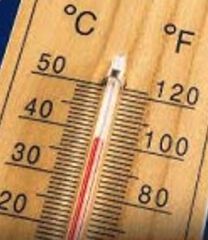
"The wind has died down. It's 100 degrees Fahrenheit outside, too hot. Please enter the building, it is arranged to 70 degrees Fahrenheit inside."
The family moved to house.
..
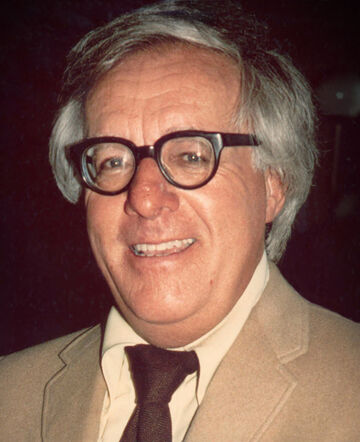
Ray Bradbury: There Will Come Soft Rains
In the living room the voice-clock sang, Tick-tock, seven o'clock, time to get up, time to get up, seven o 'clock! as if it were afraid that nobody would. The morning house lay empty. The clock ticked on, repeating and repeating its sounds into the emptiness. Seven-nine, breakfast time, seven-nine!
In the kitchen the breakfast stove gave a hissing sigh and ejected from its warm interior eight pieces of perfectly browned toast, eight eggs sunny side up, sixteen slices of bacon, two coffees, and two cool glasses of milk.
"Today is August 4, 2026," said a second voice from the kitchen ceiling, "in the city of Allendale, California." It repeated the date three times for memory's sake. "Today is Mr. Featherstone's birthday. Today is the anniversary of Tilita's marriage. Insurance is payable, as are the water, gas, and light bills."
Somewhere in the walls, relays clicked, memory tapes glided under electric eyes.
Eight-one, tick-tock, eight-one o'clock, off to school, off to work, run, run, eight-one! But no doors slammed, no carpets took the soft tread of rubber heels. It was raining outside. The weather box on the front door sang quietly: "Rain, rain, go away; umbrellas, raincoats for today. .." And the rain tapped on the empty house, echoing.
Outside, the garage chimed and lifted its door to reveal the waiting car. After a long wait the door swung down again.
At eight-thirty the eggs were shrivelled and the toast was like stone. An aluminium wedge scraped them into the sink, where hot water whirled them down a metal throat which digested and flushed them away to the distant sea. The dirty dishes were dropped into a hot washer and emerged twinkling dry.
Nine-fifteen, sang the clock, time to clean.
Out of warrens in the wall, tiny robot mice darted. The rooms were a crawl with the small cleaning animals, all rubber and metal. They thudded against chairs, whirling their moustached runners, kneading the rug nap, sucking gently at hidden dust. Then, like mysterious invaders, they popped into their burrows. Their pink electric eyes faded. The house was clean.
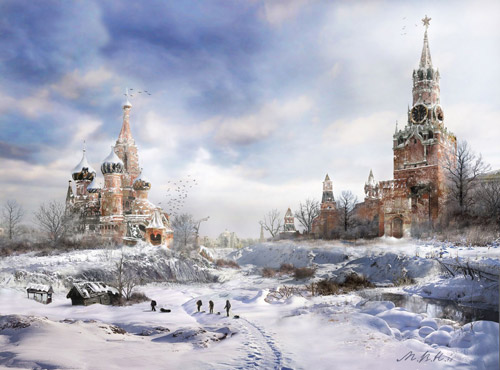
Ten o'clock. The sun came out from behind the rain. The house stood alone in a city of rubble and ashes. This was the one house left standing. At night the ruined city gave off a radioactive glow which could be seen for miles.
Ten-fifteen. The garden sprinklers whirled up in golden founts, filling the soft morning air with scatterings of brightness. The water pelted window panes, running down the charred west side where the house had been burned, evenly free of its white paint. The entire west face of the house was black, save for five places. Here the silhouette in paint of a man mowing a lawn. Here, as in a photograph, a woman bent to pick flowers. Still farther over, their images burned on wood in one titanic instant, a small boy, hands flung into the air; higher up, the image of a thrown ball, and opposite him a girl, hands raised to catch a ball which never came down.
The five spots of paint - the man, the woman, the children, the ball - remained. The rest was a thin charcoaled layer.
The gentle sprinkler rain filled the garden with falling light.
Until this day, how well the house had kept its peace. How carefully it had inquired, "Who goes there? What's the password?" and, getting no answer from lonely foxes and whining cats, it had shut up its windows and drawn shades in an old-maidenly preoccupation with self-protection which bordered on a mechanical paranoia.
It quivered at each sound, the house did. If a sparrow brushed a window, the shade snapped up. The bird, startled, flew off! No, not even a bird must touch the house!
Twelve noon.
A dog whined, shivering, on the front porch.
The front door recognized the dog voice and opened. The dog, once huge and fleshy, but now gone to bone and covered with sores, moved in and through the house, tracking mud. Behind it whirred angry mice, angry at having to pick up mud, angry at inconvenience.
For not a leaf fragment blew under the door but what the wall panels flipped open and the copper scrap rats flashed swiftly out. The offending dust, hair, or paper, seized in miniature steel jaws, was raced back to the burrows. There, down tubes which fed into the cellar, it was dropped into the sighing vent of an incinerator which sat like evil Baal in a dark corner.
The dog ran upstairs, hysterically yelping to each door, at last realizing, as the house realized, that only silence was here.
It sniffed the air and scratched the kitchen door. Behind the door, the stove was making pancakes which filled the house with a rich baked odour and the scent of maple syrup.
The dog frothed at the mouth, lying at the door, sniffing, its eyes turned to fire. It ran wildly in circles, biting at its tail, spun in a frenzy, and died. It lay in the parlor for an hour.
Two o'clock, sang a voice.
Delicately sensing decay at last, the regiments of mice hummed out as softly as blown gray leaves in an electrical wind.
Two-fifteen. The dog was gone.
In the cellar, the incinerator glowed suddenly and a whirl of sparks leaped up the chimney.
Two thirty-five.
Bridge tables sprouted from patio walls. Playing cards fluttered onto pads in a shower of pips.
Martinis manifested on an oaken bench with egg-salad sandwiches. Music played.
But the tables were silent and the cards untouched.
At four o'clock the tables folded like great butterflies back through the paneled walls .
Four-thirty.
The nursery walls glowed.
Animals took shape: yellow giraffes, blue lions, pink antelopes, lilac panthers cavorting in crystal substance. The walls were glass. They looked out upon color and fantasy. Hidden films clocked through well-oiled sprockets, and the walls lived. The nursery floor was woven to resemble a crisp, cereal meadow. Over this ran aluminum roaches and iron crickets, and in the hot still air butterflies of delicate red tissue wavered among the sharp aroma of animal spoors! There was the sound like a great matted yellow hive of bees within a dark bellows, the lazy bumble of a purring lion. And there was the patter of okapi feet and the murmur of a fresh jungle rain, like other hoofs, falling upon the summer-starched grass. Now the walls dissolved into distances of parched grass, mile on mile, and warm endless sky. The animals drew away into thorn brakes and water holes. It was the children's hour.
Five o'clock. The bath filled with clear hot water.
Six, seven, eight o'clock. The dinner dishes manipulated like magic tricks, and in the study a click.
In the metal stand opposite the hearth where a fire now blazed up warmly, a cigar popped out, half an inch of soft gray ash on it, smoking, waiting.
Nine o'clock. The beds warmed their hidden circuits, for nights were cool here.
Nine-five. A voice spoke from the study ceiling: "Mrs. McClellan, which poem would you like this evening?" The house was silent.
The voice said at last, "Since you express no preference, I shall select a poem at random."
Quiet music rose to back the voice. "Sara Teasdale. As I recall, your favourite...
There will come soft rains and the smell of the ground,
And swallows circling with their shimmering sound;
And frogs in the pools singing at night,
And wild plum trees in tremulous white;
Robins will wear their feathery fire,
Whistling their whims on a low fence-wire;
And not one will know of the war, not one
Will care at last when it is done.
Not one would mind, neither bird nor tree,
If mankind perished utterly;
And Spring herself, when she woke at dawn
Would scarcely know that we were gone."
The fire burned on the stone hearth and the cigar fell away into a mound of quiet ash on its tray. The empty chairs faced each other between the silent walls, and the music played.
At ten o'clock the house began to die.
The wind blew. A falling tree bough crashed through the kitchen window. Cleaning solvent, bottled, shattered over the stove. The room was ablaze in an instant!
"Fire!" screamed a voice. The house lights flashed, water pumps shot water from the ceilings. But the solvent spread on the linoleum, licking, eating, under the kitchen door, while the voices took it up in chorus: "Fire, fire, fire!"
The house tried to save itself. Doors sprang tightly shut, but the windows were broken by the heat and the wind blew and sucked upon the fire.
The house gave ground as the fire in ten billion angry sparks moved with flaming ease from room to room and then up the stairs. While scurrying water rats squeaked from the walls, pistolled their water, and ran for more. And the wall sprays let down showers of mechanical rain.
But too late. Somewhere, sighing, a pump shrugged to a stop. The quenching rain ceased. The reserve water supply which had filled baths and washed dishes for many quiet days was gone. The fire crackled up the stairs. It fed upon Picassos and Matisses in the upper halls, like delicacies, baking off the oily flesh, tenderly crisping the canvases into black shavings.
Now the fire lay in beds, stood in windows, changed the colors of drapes!
And then, reinforcements. From attic trapdoors, blind robot faces peered down with faucet mouths gushing green chemical.
The fire backed off, as even an elephant must at the sight of a dead snake.
Now there were twenty snakes whipping over the floor, killing the fire with a clear cold venom of green froth.
But the fire was clever. It had sent flame outside the house, up through the attic to the pumps there. An explosion! The attic brain which directed the pumps was shattered into bronze shrapnel on the beams.
The fire rushed back into every closet and felt of the clothes hung there.
The house shuddered, oak bone on bone, its bared skeleton cringing from the heat, its wire, its nerves revealed as if a surgeon had torn the skin off to let the red veins and capillaries quiver in the scalded air. Help, help! Fire! Run, run! Heat snapped mirrors like the first brittle winter ice. And the voices wailed. Fire, fire, run, run, like a tragic nursery rhyme, a dozen voices, high, low, like children dying in a forest, alone, alone. And the voices fading as the wires popped their sheathings like hot chestnuts. One, two, three, four, five voices died.
In the nursery the jungle burned. Blue lions roared, purple giraffes bounded off. The panthers ran in circles, changing color, and ten million animals, running before the fire, vanished off toward a distant steaming river.... Ten more voices died.
In the last instant under the fire avalanche, other choruses, oblivious, could be heard announcing the time, cutting the lawn by remote-control mower, or setting an umbrella frantically out and in, the slamming and opening front door, a thousand things happening, like a clock shop when each clock strikes the hour insanely before or after the other, a scene of maniac confusion, yet unity; singing, screaming, a few last cleaning mice darting bravely out to carry the horrid ashes away! And one voice, with sublime disregard for the situation, read poetry aloud in the fiery study, until all the film spools burned, until all the wires withered and the circuits cracked.
The fire burst the house and let it slam flat down, puffing out skirts of spark and smoke.
In the kitchen, an instant before the rain of fire and timber, the stove could be seen making breakfasts at a psychopathic rate, ten dozen eggs, six loaves of toast, twenty dozen bacon strips, which, eaten by fire, started the stove working again, hysterically hissing!
The crash. The attic smashing into kitchen and parlour. The parlour into cellar, cellar into sub-cellar. Deep freeze, armchair, film tapes, circuits, beds, and all like skeletons thrown in a cluttered mound deep under.
Smoke and silence. A great quantity of smoke.
Dawn showed faintly in the east. Among the ruins, one wall stood alone. Within the wall, a last voice said, over and over again and again, even as the sun rose to shine upon the heaped rubble and steam:
"Today is August 5, 2026, today is August 5, 2026, today is..."


The Chinese dictator calls his Moscovian colleague:
- Пут Ын? You did good job, Comlad! Conglatulations!
- Здравствуй, Поднебесная Царица! Чай, теперь твоя душенька довольна?
- Ну да, ты халёший палень, Пут Ын. Исполнительный. Дональд Класнов тоже всё сделал как надо. Мы пледставим вас к Нагладе.
- Рад стараться, господин Генеральный Секретарь! Всё сделано руками Ирана, Гренландии и Канады. Нас даже не подозревают.
- Эта халашё. Чисто слаботано. Толко у меня к тебе ещё вазный воплос есть. Хачу Плакансультилаваться.
- Что вас интересует, господин Генеральный Секретарь?
- Теперь только две большие стланы в мире остались, ты и я. И нам надо лесать, кто из нас самый главный. И я вот думаю, когда лучше начинать. Плямо сейчас? Или подождать несколько лет, когда все пливыкнут к тому, что мы с Амеликой сделали?
- Всё что хотите, Господин Генеральный Секретарь: нефть, газ, лес, территории; всё к вашим услугам..
- Это понятно. Нефть, газ, лес, теллитолии, это не обсуждается. Но Китайский язык уже пола делать вталым госудалственным. То есть тебе надо по этому вопросу лефелендум плавести. Потому что китайскоговолащее население типа плитесняется. И школ на китайском языке у вас маловато.. И ещё. Мы тут посовессались с товалиссами, и лешили, что тепел нузна Маленькая Победоносная война. Нужна Движуха. Без движухи нам скусно. Застой. .. Но движуха нужна не больсая. Чтобы с огланиченным контингентом и лазумными потелями. Чтобы был гелаизм, но без полного уничтозения. Миллионов сто, не больше. Это дазе ты сплавися. У тебя сто миллионов набелётся? Или ты уже всех под колень низвёл?
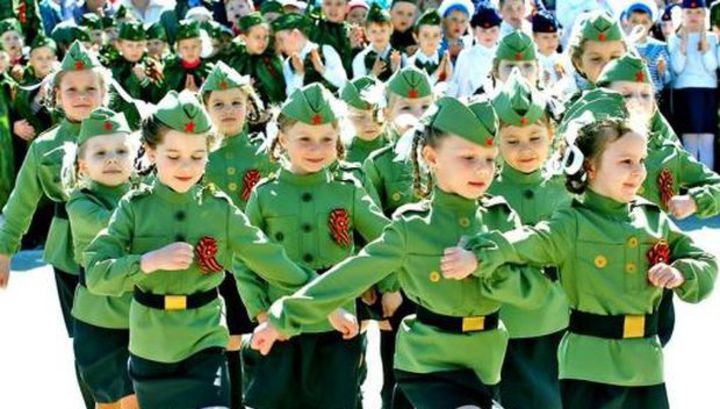
- Если надо, наберём, Господин Генеральный Секретарь. Можем и инвалидов, и женщин, и детей в униформу отрядить.. Никто не спасётся. Мы попадём в рай, а они просто сдохнут.
- Это халасё. Так когда наснём?
- Тут торопиться не надо, надо хорошо все подготовить.
- Му ладно, лаз ты так гавалишс, отложим на палу лет. Поживите пока. До свиданья.
- Спасибо, господин Генеральный Секретарь! Да пребудет в здравии господин Генеральный Секретарь! Слава коммунистической партии Китaя!