| Q: 您能回答几个问题吗? | Q: Could you answer some questions? |
| R: 我试试。您对什么感兴趣? | R: I'll try. What are you interested in? |
| Q: 您如何看待中国未来十年的发展? | Q: How do you view China's development over the next decade? |
| R: 我希望越来越好。 | R: I hope it gets better and better. |
| Q: 一百年以后呢? | Q: What about a hundred years from now? |
| R: 谁知道? | R: Who knows? |
| Q: 您认为中国最重要的国家利益是什么? | Q: What do you consider to be China's most important national interest? |
| R: 国家安全、发展、统一和繁荣。 | R: National security, development, unity, and prosperity. |
| Q: 如果其中一些目标发生冲突,应该优先考虑哪一个? | Q: If some of these goals conflict, which one should be prioritized? |
| R: 要看具体情况。 | R: It depends on the specific circumstances. |
| Q: 谁决定什么是“具体情况”? | Q: Who decides what constitutes "specific circumstances"? |
| R: 国家需要作出判断。 | R: The state needs to make a judgment. |
| Q: 谁代表国家作出这种判断? | Q: Who represents the state in making such a judgment? |
| R: 政府和有关机构。 | R: The government and relevant agencies. |
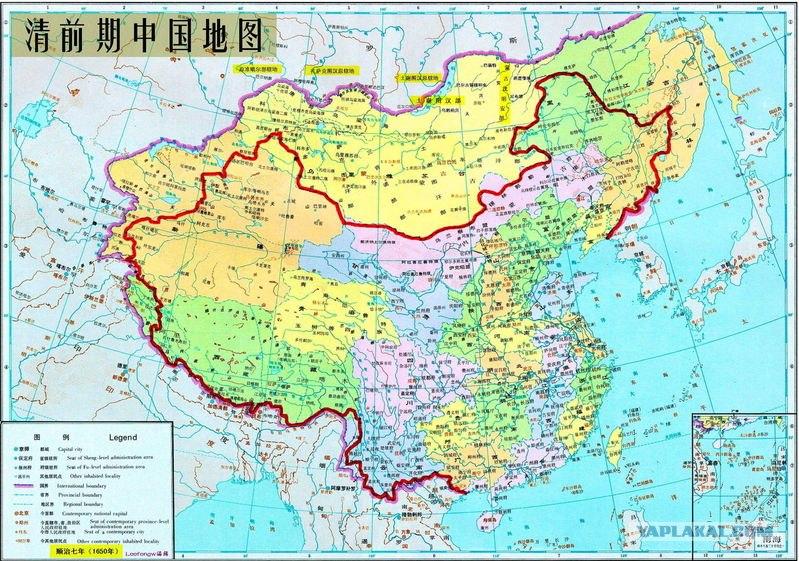
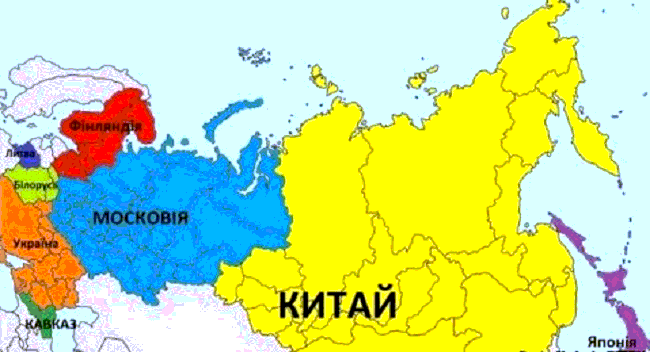
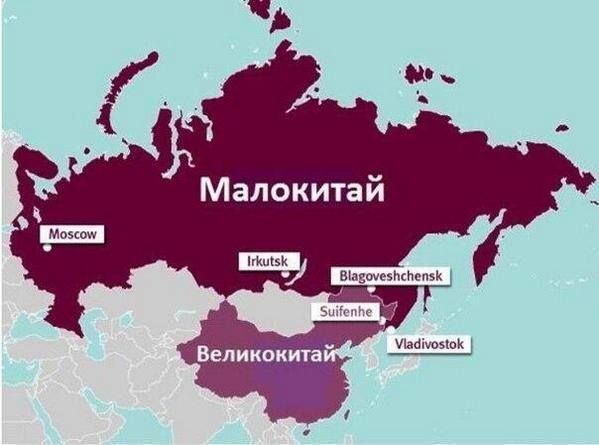
| Q: 您认为中国应该收复北方的一些历史领土吗? | Q: Do you think China should reclaim some of its historical lands at North? |
| R: 这取决于具体是哪一块领土。 | R: It depends on the specific territory. |
| Q: 您认为台湾应该统一到中华人民共和国吗? | Q: Do you think Taiwan should be unified with the People's Republic of China? |
| R: 台湾是中国的一部分。 | R: Taiwan is part of China. |
| Q: 如果和平统一无法实现呢? | Q: What if peaceful reunification cannot be achieved? |
| R: 那是一个复杂的问题。 | R: That is a complex issue. |
| Q: 您认为可以通过武力实现吗? | Q: Do you think it can be achieved through the use of force? |
| R: 如果有必要。 | R: If necessary. |
| Q: 您愿意亲自为此参军吗? | Q: Would you be willing to enlist in the military yourself for this cause? |
| R: 我不知道。 | R: I don't know. |
| Q: 您愿意为战争支付额外的税吗? | Q: Would you be willing to pay extra taxes for the war? |
| R: 这要看增加多少。 | R: That depends on how much the increase is. |
| Q: 百分之一? | Q: One percent? |
| R: 也许。 | R: Perhaps. |
| Q: 百分之十? | Q: Ten percent? |
| R: 太多了。 | R: That is too much.. |
| Q: 如果战争失败,中国失去部分现有领土呢? | Q: What if the war is lost and China loses some of its existing territory? |
| R: 那当然不能接受。 | R: Well, that’s certainly unacceptable. |
| Q: 如果战争成功,中国获得新的领土,但代价是大量人员伤亡和经济损失呢? | Q: What if the war succeeds and China gains new territory, but at the cost of heavy casualties and economic losses? |
| R: 这要看得到什么。 | R: That depends on the achievements. |
| Q: 所以领土本身有一个可以用人员和财富衡量的价格? | Q: So, territory itself has a price that can be measured in terms of manpower and wealth? |
| R: 不能这么简单计算。 | R: It cannot be calculated so simply. |
| Q: 如果政府说某项政策符合国家利益,您是否认为它就是符合国家利益的? | Q: If the government states that a particular policy is in the national interest, do you consider it to be in the national interest? |
| R: 政府掌握的信息比普通人多。 | R: The government possesses more information than the average person. |
| Q: 如果您不知道这些信息,您如何判断政府是否正确? | Q: If you do not know this information, how do you determine whether the government is right? |
| R: 我们可以相信政府。 | R: We can trust the government. |
| Q: 如果后来证明政府判断错误呢? | Q: What if it later turns out that the government’s judgment was wrong? |
| R: 政府也会犯错误。 | R: Governments also make mistakes. |
| Q: 谁应该纠正这种错误? | Q: Who should correct this kind of mistakes? |
| R: 有关机构。 | R: Relevant institutions. |
| Q: 如果有关机构也犯了同样的错误呢? | Q: What if the relevant institutions also made the same mistake? |
| R: 那就需要调查。 | R: Then an investigation is needed. |
| Q: 谁调查调查机构? | Q: Who investigates the investigative agencies? |
| R: 这就比较复杂了。 | R: That’s a bit more complicated. |
| Q: 你是否曾经混淆过汉字?例如: ⼒ X2F12, カ X30AB, 力 X529B, 力 XF98A .. 这些汉字非常相似。你是否遇到过类似的问题? | Q: Have you ever confused Chinese characters? For example, ⼒ X2F12, カ X30AB, 力 X529B, 力 XF98A .. They look similar, did this bring you any difficulties? | |
| R. 是的,有时文本中的某个字符或单词无法被识别,这是因为某些字符的编码有误。 如果强制要求所有人都使用标准的 CJK 编码,这个问题就能解决。我尽量避免出现这种情况。 | R: Yes, sometimes a character or a word in the text is not found because some character has wrong encoding. The problem could be resolved, is we force everybody to use a standard CJK encoding. I try to avoid such cases. | |
| Q: 那么技术文本呢?原则上,它们处理的是任意字符序列。 | D: How about the technical texts; in principle, they deal with any sequences of characters. | |
| R: 噢,涉及技术领域。这与科学有关,通常使用英语;而在英语中,不存在这个问题。 | R: Ah, technical. It is related to science; they usually use English. In English, there is no such a problem. | |
| Q: 你觉得那种能让你区分所有字符的字体怎么样? | Q: What do you think about a font that allows to distinguish all the characters? | |
| R: 那固然好,但有些人正利用这种混乱牟利。他们掌握着权力,因此很难改变这一标准。 | R: It would be good, but some people make money on the confusion.. They have power, so, it is difficult to change the standard. | |
| Q: 您是否注意到现代中文文本中 ASCII 字符越来越常见? | Q: Have you noticed that ASCII characters are becoming increasingly common in modern Chinese text? | |
| R: 是的,特别是在技术、商业和网络交流中。 | R: Yes, especially in technology, business, and online communication. | |
| Q: 您认为这种趋势有问题吗? | Q: Do you think there is a problem with this trend? | |
| R: 不一定。 | R: Not necessarily. | |
| Q: 如果这种趋势继续下去呢? | Q: What if this trend continues? | |
| R: 语言本来就在变化。 | R: Language is inherently changing. | |
| Q: 你认为 ASCII 码能逐渐取代中文文本中的汉字吗? | Q: Do you think ASCII codes could gradually replace Chinese characters in Chinese texts? | |
| R: 我不知道。如果这能简化交流,何乐而不为呢? | R: I don't know. If it simplifies communication, why not? | |
| Q: 您是否注意到汉语中外来词越来越多? | Q: Have you noticed the increasing number of loanwords in Chinese? | |
| R: 是的。 | R: Yes. | |
| Q: 这是否会威胁中文? | Q: Will this threaten the Chinese language? | |
| R: 不会。中文可以吸收外来词。 | R: No. Chinese can absorb loanwords. | |
| Q: 如果某些外来词成为日常语言的一部分,还能称为“外来”吗? | Q: If certain loanwords become part of everyday language, can they still be called "foreign"? | |
| R: 这个问题没有那么重要。 | R: This issue isn't that important. | |
| Q: 如果语言可以吸收外国的词汇,为什么国家不能吸收外国的制度? | Q: If a language can absorb foreign vocabulary, why can't a nation absorb foreign systems? | |
| R: 制度和语言不一样。 | R: The systems and languages are different. | |
| Q: 为什么? | Q: Why? | |
| R: 制度关系到国家自身的情况。 | R: The system is bound up with the country's own circumstances. |
| Q: 你认为中国有民主吗? | Q: Do you think China has a democracy? |
| R: 是中国特色的社会主义民主。 | R: It is socialist democracy with Chinese characteristics. |
| Q: 民主是否必须包括选举最高统治者? | Q: Must democracy include the election of the supreme leader? |
| R: 不一定。 | R: Not necessarily. |
| Q: 为什么? | Q: Why? |
| R: 民主有不同的形式。 | R: Democracy takes different forms. |
| Q: 那么,如何判断一个制度是否民主? | Q: So, how do we determine whether a system is democratic? |
| R: 要看人民是否能够参与国家治理。 | R: It depends on whether the people can participate in state governance. |
| Q: 普通公民可以选择国家最高领导人吗? | Q: Can ordinary citizens choose the country's top leader? |
| R: 不是直接这样选择的。 | R: It’s not chosen directly like that. |
| Q: 您参加过地方选举吗? | Q: Have you ever participated in local elections? |
| R: 有过。 | R: Yes, I have. |
| Q: 您能在选举中选择几个候选人? | Q: How many candidates can you choose in the election? |
| R: 这要看具体选举。 | R: That depends on the specific election. |
| Q: 如果只有一个候选人呢? | Q: What if there is only one candidate? |
| R: 也可以投票。 | R: You can also vote. |
| Q: 如果有十个候选人呢? | Q: What if there are ten candidates? |
| R: 那就有更多选择。 | R: Then there are more options. |
| Q: 如果所有候选人都支持同一种政策呢? | Q: What if all the candidates support the same policy? |
| R: 那也可以选最合适的人。 | R: Then you can also choose the most suitable person. |
| Q: 如果没有一个候选人代表您的观点呢? | Q: What if no candidate represents your views? |
| R: 那就只能选择最接近的。 | R: Then we have no choice but to pick the closest one. |
| Q: 你认为一个国家需要实行权權力分立吗? | Q: Do you think a country needs the Separation of powers? |
| R: 权力分立是一项重要的发明,也是我们文明的一种工具。 | R: The separation of powers is an important invention and a tool of our civilization. |
| Q: 您认为中国实行权力分立吗? | Q: Do you think China practices the separation of powers? |
| R: 中国有自己的政治制度。 | R: China has its own political system. |
| Q: 如果国家的立法、行政和司法权都最终服从同一个政治中心,这算不算权力分立? | Q: If a nation's legislative, executive, and judicial powers are ultimately subordinate to a single political center, does this constitute a separation of powers? |
| R: 不能简单这么说。 | R: You can't simply put it that way. |
| Q: 如果一个最高领导人能够同时影响立法、行政和司法,那么谁能够限制他的权力? | Q: If a supreme leader can simultaneously influence the legislative, executive, and judicial branches, then who can limit his power? |
| R: 制度可以限制权力。 | R: Systems can constrain power. |
| Q: 如果制度本身不能限制他呢? | Q: What if the system itself cannot constrain him? |
| R: 这种情况不应该发生。 | R: This situation should not have happened. |
| Q: 如果确实发生了呢? | What if it actually happens? |
| R: 那就需要改革。 | R: Then reform is needed. |
| Q: 如果国家的立法、行政和司法权都最终服从同一个政治中心,这算不算权力分立? | Q: If a nation's legislative, executive, and judicial powers are all ultimately subordinate to a single political center, does this constitute a separation of powers? |
| R: 我不知道.. 也许确实需要某种改革——某种“重建”.. 当年苏联也曾尝试过,结果却全盘崩溃了.. | I don't know... perhaps some kind of reform, some sort of "perestroika" is needed... The Soviet Union had tried that, but the result was a total collapse. |
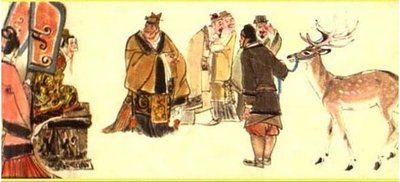
| Q: 您听说过“指鹿为马”的故事吗? | Q: Do you know the story of «Calling a deer a horse»? |
| R: 听说过。 | R: I've heard of it. |
| Q: 您认为赵高为什么要把鹿说成马? | Q: Why do you think Zhao Gao insisted on calling a deer a horse? |
| R: 为了试探和控制其他人。 | R: To test and control others. |
| Q: 为什么其他大臣中有人也说那是马? | Q: Why did some officials also say that it was a horse? |
| R: 他们害怕赵高。 | R: They were afraid of Zhao Gao. |
| Q: 如果一个人明明看见鹿,却说它是马,他是在撒谎吗? | Q: If a person clearly sees a deer but calls it a horse, are they lying? |
| R: 是。 | R: Yes. |
| Q: 如果他说真话会失去职位呢? | Q: What if one loses his position by telling the truth? |
| R: 生活就是这样.. | R: That's life.. |
| Q: 如果他说真话会失去财产呢? | Q: What if he would lose his property by telling the truth? |
| R: 那就更困难了。 | R: That makes it even more difficult. |
| Q: 如果他说真话会失去生命呢? | Q: What if he would lose his life by telling the truth? |
| R: R:那么,当然,在说出真相之前应该三思。 | R: One should think before revealing the truth. |
| Q: 那么,当所有人都知道那是鹿,却都说是马的时候,最后发生了什么? | Q: So, when everyone knew it was a deer but insisted on calling it a horse, what happened in the end? |
| R: 大家都知道真相,但没有人敢说。 | R: Everyone knows the truth, but no one dares to say it. |
| Q: 如果一个社会中的多数人都这样做,它还能知道真实情况吗? | Q: If the majority of people in a society do this, can one still know the true situation? |
| R: 这取决于有没有其他信息来源。 | R: That depends on whether there are other sources of information. |
| Q: 如果所有信息来源都受到控制呢? | Q: What if all sources of information are controlled? |
| R: 那就很危险。 | R: That would be dangerous.. |
| Q: 您看过电影 «Alternative Math» 吗? | Have you seen movie «Alternative Math»? |
| R: 没有。 | R: No. |
| Q: Q: 在一部电影里,一位数学老师被迫承认一个显然错误的公式。这是关于 «马与鹿» 那个故事的美国版本。你认为在中国也可能发生类似的事情吗? | Q: In that movie, the math teacher is forced to accept the clearly incorrect formula. This is an American version of the story about a deer and a horse. Do you think something similar could happen in China? |
| R: 本质上可能没有区别。 这种情况可能发生在任何地方。这种情况可能发生在任何地方。 | R: In essence, there may be no difference. This can happen anywhere. |
| Q: 如果你的老板说 «在我们的系统中,2 + 2 等于 22»,你应该怎么做? | Q: If your boss says «In our system, 2+2 is 22», what should you do? |
| R: 那要看这个体系是什么意思。 | R: That depends on what exactly the system includes. |
| Q: 如果这个体系只规定语言,而不改变实际数量呢? | Q: What if this system only specifies the language but does not change the actual quantities? |
| R: 那么实际还是4。 | So, the actual figure is still 4. |
| Q: 如果管理层要求把“4”改成“22”来表述,会怎样? | What would happen if management requested that "4" be changed to "22"? |
| R:那只是官方立场。如果他们出钱,那有什么问题呢? | R: That’s just the official stance. If they’re footing the bill, what’s the problem? |
| Q: 如果你的晋升、收入,甚至人身安全都取决于你是否同意写下一个错误的数字,你会怎么做? | Q: If your promotion, income, or even your personal safety depended on whether you agreed to write down an incorrect figure, what would you do? |
| R: 那人们可能都会写«22»。 | R: Then people might all write «22». |
| Q: 那么 «2+2=22» 会不会在社会意义上成为事实? | Q: So, could «2+2=22» become a fact in a social sense? |
| R: 不会改变数学事实。 | R: It will not change mathematical facts. |
| Q: 但是会不会改变人的行为? | Q: But will it change people's behavior? |
| R: 会。 | R: Yes. |
| Q: 您认为 审查制度有什么作用? | Q: What role do you think the censorship system plays? |
| R: 防止有害信息,维护社会稳定。 | R: Prevent harmful information and maintain social stability. |
| Q: 谁决定什么是 «有害信息»? | Who decides what constitutes «harmful information»? |
| R: 有关部门。 | R: Relevant departments. |
| Q: 官员会犯错误吗? | Q: Do officials make mistakes? |
| R: 当然会。 | R: Of course. |
| Q: 那么官员是否可能把真实信息错误地认定为有害信息? | Q: So, is it possible for officials to mistakenly classify genuine information as harmful information? |
| R: 理论上可能。 | R: Theoretically possible. |
| Q: 官员是否可能利用审查制度保护自己? | Q: 官员是否可能利用审查制度保护自己? |
| R: 也可能。 | R: That's also possible. |
| Q: 如果一个官员犯了罪,并且有权决定哪些信息可以公开,他是否可能利用审查制度隐藏自己的罪行? | Q: If an official commits a crime and has the authority to decide what information is made public, is it possible for them to use the censorship system to conceal their own wrongdoing? |
| R: 可能。 | R: Possibly. |
| Q: 公民如何发现这种情况? | Q: How can citizens reveal the case? |
| R: 需要其他信息来源。 | R: Additional sources of information are required. |
| Q: 如果其他信息来源也受到审查呢? | Q: What if other sources of information are also subject to censorship? |
| R: 那就很难发现。 | R: Then it would be hard to detect. |
| Q: 那么,公民如何知道自己没有被欺骗? | Q: So, how do citizens know they haven't been deceived? |
| R: 不能总是知道。 | R: You can't always know. |
| Q: 您如何判断一个国家是否存在暴政? | Q: How do you determine whether a country is under tyranny? |
| R: 如果政府完全不受约束,可能就是暴政。 | R: If the government is completely unrestrained, it could amount to tyranny. |
| Q: 什么可以约束政府? | Q: What can constrain the government? |
| R: 法律、制度、人民和其他权力机构。 | R: Laws, institutions, the people, and other organs of power. |
| Q: 如果法律不能约束政府呢? | Q: What if the law cannot constrain the government? |
| R: 那就是严重的问题。 | R: That is a serious problem. |
| Q: 如果人民不能更换政府呢? | Q: What if the people cannot change the government? |
| R: 这也可能是问题。 | R: That could also be the problem. |
| Q: 如果新闻不能批评政府呢? | Q: What if the news agencies cannot criticize the government? |
| R: 那么监督会变得困难。 | R: Then supervision will become difficult. |
| Q: 如果公民不能公开讨论政府的错误呢? | Q: What if citizens cannot openly discuss the government's mistakes? |
| R: 那也会造成问题。 | R: That would also cause problems. |
| Q: 您是什么时候第一次了解到这些问题的? | Q: When did you first become aware of these issues? |
| R: 可能是在历史课上。 | R: It might have been in history class. |
| Q: 您认为这些问题只存在于历史上吗? | Q: Do you think these issues exist only in the past? |
| R: 不一定。 | R: Not necessarily. |
| Q: 那么它们今天也可能发生吗? | Q: So, could they happen today as well? |
| R: 任何国家都有可能出现问题。 | R: Problems can arise in any country. |
| Q: 如果一个国家要求公民相信政府,即使公民亲眼看到的事实与政府的说法不一致,公民应该相信什么? | Q: If a country requires its citizens to trust the government, what should they believe when the facts they witness firsthand contradict the government's claims? |
| R: 应该自己判断。 | R: You should judge for yourself. |
| Q: 如果自己判断会带来危险呢? | Q: What if you judge that it to be dangerous? |
| R: 那就要谨慎。 | R: One needs to be cautious. |
| Q: 如果所有人都谨慎呢? | Q: What if everyone is cautious? |
| R: 也许我不该回答。我们刚才已经显露出我需要谨慎行事。 | R: Perhaps I shouldn't answer. We've already revealed that I need to be careful. |
| Q: 你如何看待 «持不同政见是爱国主义的最高形式» 这一口号? | Q: What is your take on the slogan «Dissent is the highest form of patriotism»? |
| 抱歉,你刚意识到最好别回答这类问题。你永远不知道这会引发什么后果。有时候,你不得不指鹿为马。也许这就是所谓的 «Realpolitik»。 | Sorry, I just realized it's better not to answer questions like that. You never know what kind of consequences it might cause. Sometimes, we have to call a deer a horse. Perhaps this is what is known as «Realpolitik». |
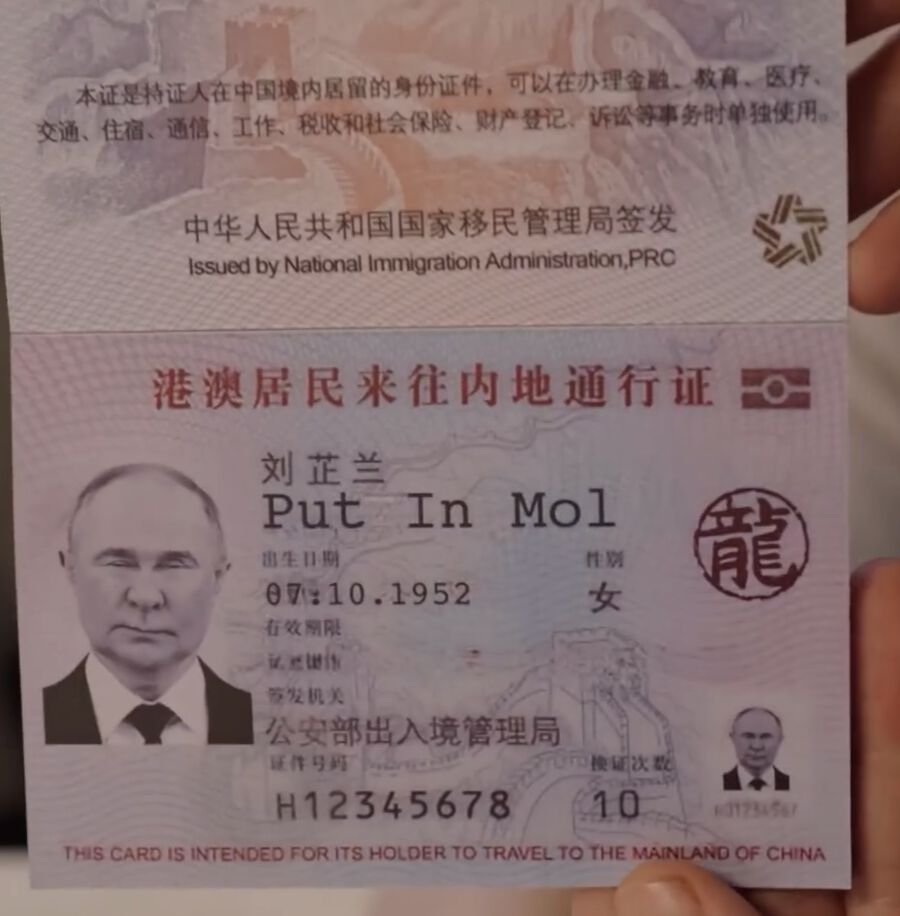
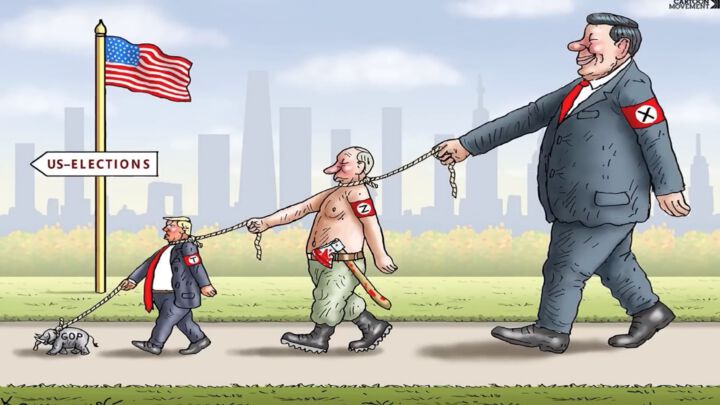
| Q: 普京的行为是否类似于中国的代理人? | Q: Do you think Putin is agent of China? |
| R:不,不,我无法回答这个问题。即使我知道答案,也不应该回答.. 抱歉.. | R: No, no, I can't answer that question. Even if I knew the answer, I shouldn't answer it.. Sorry.. |
| Q: 谢谢您的回答。 | Q: Thank you for your replies. |

男
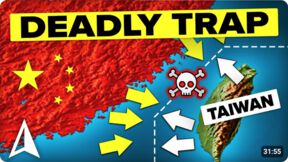
2023.10.15. https://www.youtube.com/watch?v=hfjTUvzaZ7s How Taiwan Will Stop China's Invasion// RealLifeLore// Oct 15, 2023.
2025.10.11. https://www.youtube.com/watch?v=69MMMWUCfyM 近代中国失去了多少领土? // 三维视角科普 Oct 11, 2025
2026.06.01. https://cz.china-embassy.gov.cn/ggwj/202606/t20260601_11922669.htm 驻捷克使馆临时代办左文星发表署名文章《一个中国原则不可撼动》 // 2026-06-01 20:32
2026.09.24. https://www.youtube.com/watch?v=D_7UmJw6ibM All Signs Point to WAR: China. vs. Taiwan Countdown Has Begun // The Military Show Sep 24, 2026
2026.09.24. https://www.youtube.com/watch?v=KkTZ-do2Xk8 Why China Is Running Out of Time to Invade Taiwan // Quang Explains // Sep 29, 2026
2026.09.30. https://www.gwytb.gov.cn/xwdt/xwfb/xwfbh/202609/t20260930_12815886.htm 国务院台办新闻发布会辑录(2026-09-30).. 张晗:各位记者朋友,大家上午好。.. “台独”与台海和平稳定水火不容,维护台海和平稳定是中美双方最大公约数,也是中美建设性战略稳定关系的应有之义。..
2026.09.30. https://www.youtube.com/watch?v=5nutHHy3jf0 Sanae Takachi Sounds Alarm As Japanese Companies Leave China Behind Global Now News Sep 30, 2026
2026.09.30. https://www.youtube.com/watch?v=Ptqe9-bwYM0 China Invades Taiwan: How the Experts Say It Ends (3D Simulation) Full Scale War Sep 30, 2026
2026.10.03. https://www.youtube.com/watch?v=1sXm3-lJqP0 台湾の軍は強いのか?各軍の装備から予想する軍事力とは AI Japan Glory and 高橋先生 Oct 3, 2026
https://www.monticello.org/encyclopedia/dissent-highest-form-patriotism-spurious-quotation Dissent is the highest form of patriotism (Spurious Quotation) // Find out if Thomas Jefferson ever said or wrote, "Dissent is the highest form of patriotism." ..
https://en.wikipedia.org/wiki/Territorial_disputes_of_China
https://zh.wikipedia.org/zh-cn/台灣軍事 台湾的军事编制或建制于历史上,除少部分时间之外,大都以防卫为主,.. 预备军人大约350万人。在战略上,今台湾军事战略重点在反登陆为主的全岛性实兵防卫,假想敌为中国大陆的中国人民解放军。..