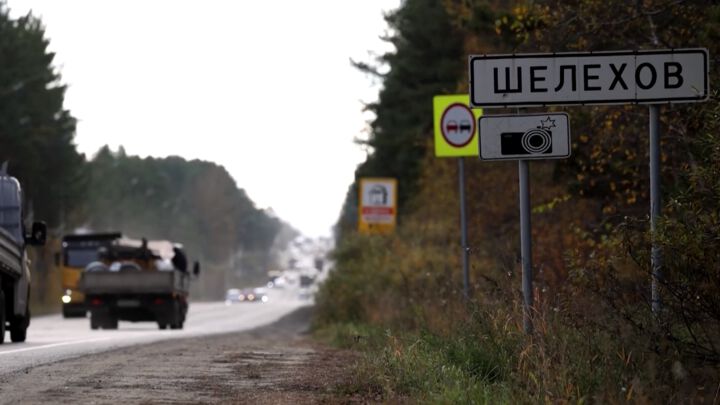

WASHINGTON — The US government is asking Russia to “quickly and openly” say what it knows about a suspected pneumonic plague outbreak in Siberia as global panic mounts.
“Many details have not been confirmed. We encourage Russian authorities to share accurate information quickly and openly,” a State Department spokesman said Monday in a statement.
“We are aware of reports of a fatal case of suspected pneumonic plague in Irkutsk Oblast, Russia. We are monitoring the situation closely with the CDC and our other interagency partners.”
(picture here)
Anti-plague lab worker Daria Shipilova, 28, died from pneumonia of an unknown cause in Russia. The health watchdog has insisted the region is stable.
Irkutsk Anti-Plague Institute/e2w
Secretary of State Marco Rubio called the death of Russian plague institute worker Daria Shipilova, 28, “cause for focus” but not alarm earlier Monday.
Shipilova worked at the Irkutsk Anti-Plague Research Institute of Siberia and reportedly died from pneumonia of unknown origin — prompting a quarantine of the hospital.
“We know what we know, obviously, about whatever the Russians have provided, which is, it seems that there was a worker at the lab that was infected, and this concern that could have spread, at least internally,” Rubio told reporters as he departed Washington for a trip to Europe.
“You’ve seen them do quarantines. There’s very limited travel between the US and Russia, obviously. But like anything else, something like that gets out, it could certainly spread,” the diplomat added.
“So we’re watching and monitoring it closely. I don’t think it’s cause for alarm but it is cause for focus and a cause just to keep an eye on it.”
Pneumonic plague can spread from person to person via the air and is almost always fatal if not treated quickly with antibiotics.
A health worker in full hazmat gear conducts a plague-response drill at the Russia-Mongolia border crossing.
A health worker on a plague-response drill at the Russia-Mongolia border crossing in April 2026. Irkutsk Anti-Plague Institute/e2w
Very few pneumonic plague cases are recorded each year — and those that are typically occur in Africa and burn out without spreading widely.
One of the worst known outbreaks occurred between October 1910 and April 1911 in Manchuria, killing about 60,000 people.
That outbreak was suppressed with widespread use of face masks and was believed to have been sparked by hunters handling tarbagan marmots.
Global concern about the Russian case follows the outbreak of COVID-19, which many believe leaked from the Wuhan Institute of Virology in central China before killing more than 1.2 million Americans and dramatically impacting everyday life.
FILED UNDER DISEASES MARCO RUBIO PLAGUE RUSSIA STATE DEPARTMENT 10/5/26 READ NEXT Ukraine claims its attacks have taken out more than half o... SPONSORED STORIES ..

2026.10.05. https://nypost.com/2026/10/05/world-news/reported-russian-pneumonic-plague-outbreak-cause-for-focus-but-not-alarm-rubio/ US asks Russia to ‘quickly and openly’ address plague worker’s death as outbreak fears grow // By Steven Nelson and Josh Christenson // Oct. 5, 2026, 1:34 p.m. ET
2026.10.05. https://www.youtube.com/watch?v=vZFIZfhLz9M Возможна ли в России вспышка чумы? | Видеоподкаст «Что это было?» BBC News - Русская служба// Oct 5, 2026 Что это было? | Подкаст Русской службы Би-би-си Возможная вспышка чумы в Иркутской области широко обсуждается в СМИ и соцсетях. Пресса пишет, что в Иркутске закрыты на карантин несколько больниц, а на местном заводе ввели масочный режим. В область даже прилетела главный санитарный врач России Анна Попова. Все это из-за новости о смерти местной жительницы Дарьи Шипиловой, которая работала в противочумном институте. И федеральные, и местные власти при этом не подтверждают вспышку чумы.
2026.10.06. https://www.youtube.com/watch?v=z0OplSxouTA&t=91 Suspected Pneumonic Plague Outbreak Erupts in Russia After Scientist Dies // New York Post// Oct 6, 2026
https://en.wikipedia.org/wiki/Biological_warfare Biological warfare, also known as germ warfare, is the use of biological toxins or infectious agents such as bacteria (bacteriological warfare), viruses, insects, and fungi with the intent to kill, harm or incapacitate humans, animals or plants as an act of war.[1][2] Biological weapons (often termed "bio-weapons", "biological threat agents", or "bio-agents") are living organisms or replicating entities (i.e. viruses, which are not universally considered "alive").
https://en.wikipedia.org/wiki/Plague_(disease) Plague is an infectious disease caused by the bacterium Yersinia pestis.[2] Symptoms include fever, weakness, headache and black lips.[1] Usually, this begins one to seven days after exposure.[2] There are three forms of plague, each affecting a different part of the body and causing associated symptoms. Pneumonic plague infects the lungs, causing shortness of breath, coughing and chest pain; bubonic plague affects the lymph nodes, making them swell; and septicemic plague infects the blood and can cause necrosis of tissues.[2][1]