At Kirian, Rivim had been distributed to the hospital. It was very specific job.
Narcotics and psychotropic substances are not banned in Kirian. Even smoking in public places — a practice strictly restricted in other farms of Tataria — is permitted here. As a result, the police had to pick bodies up around the clock. As a biologist, Ruvim was required to examine each body and determine whether it can alive, whether it needs a medical attention, and whether it poses a danger to society.
There were many doctors at the Kirian National Hospital. The matter was, that the number of the bodies delivered to the hospital, exceeded the ability of doctors to sort, to qualify them. Several robots also had performed the selection work. But the slaves like Ruvim were cheaper, than the robots.
Drug addicts made up a minority of Kirian's population. Yet at first glance—looking at Kirian's streets, roads, and parks—it seemed as though the entire population of this farm consisted of chronic alcoholics, drug addicts, and antisocial individuals.
Kirian’s national program posited that the predisposition to severe forms of drug addiction would disappear through natural selection. There were other ways to intensify natural selection as well. In particular, swimming while clothed is prohibited. This ban causes inconvenience for visitors from Imar, who are accustomed to swimming in swimwear.
Ruvim Pechor stumbled upon one such story, found it amusing, and even wrote a short piece about it. He sent his material to the BBC at the UK and then to the American publication Paygirl. Ruvim believed this story would prove more interesting than the tedious interviews where he had to answer journalists' foolish questions. However, the editorial teams had their own ideas about what was interesting and what was not.
Surprisingly, the case had been picked up by Russian section of the Clever Times. As usually, the Clever Times had shown the things in the completely perverted way:Варварские нравы дикой страны
Редакция Клеветаймс внимательно следит за опасным развитием событий в Тартарии. Сегодня мы публикуем еще один пример, показывающий крайнюю ксенофобную извращенность жителей Тартарии.
Как известно, Тартария состоит из многих республик, так называемых "ферм", и тартарцы до сих пор не сподобились выработать единое для всех ферм законодательство. В частности, некоторые фермы Тартарии крайне щепетильны в вопросах одежды.
В Имaре преобладает мусульманское население, и женщин заставляют носить хиджаб, даже когда они купаются. Большинство женшин Имара являются чьей-либо собственностью, и они сильно ограничены в правах. Уроженка Имара, Татьяна Кувшинникова, переехала из Имара в Кокаир, столицу Кириана. Она преподавала русский язык в школе номер 13 Кокаира.
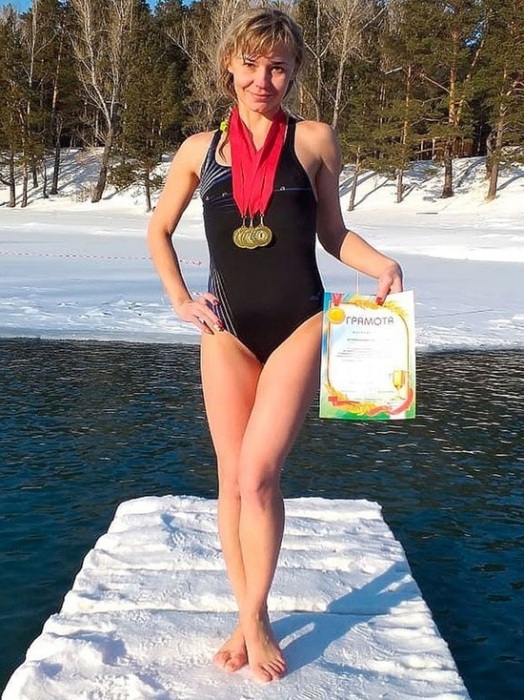
В Кириане хиджабы запрещены; купание в какой бы то ни было одежде считается противоестественным и грубым нарушением общественного порядка. Татьяна занимается зимним плаванием, и имеет серьезные успехи в этом виде спорта. Однако, привыкнув к хиджабу, Татьяна участвовала в соревнованиях по плаванию, будучи в хиджабе и выиграла эти соревнования, фото 1.
Татьяна имеет атлетическую фигуру, и директор школы 13, Людмила Кузнекова, была возмущена тем, что хиджаб, так называемый «купальник» и он же «Купальный костюм», скрывает эту фигуру. Кузнекова написала на Татьяну кляузу в местное отделение полиции. По этой кляузе, Татьяна оштрафована. Кроме того, Кузнекова потребовала, чтобы Кувшинникову десквалифицировали за то, что она выступала в купальном костюме. Кузнекова указала, что все участники соревнований должны участвовать в соревнованиях в естественном виде, а противоестественное использование купального костюма нарушает сам дух соревнований и подстрекает студентов школы к нарушению общественного порядка и действующего законодательства.
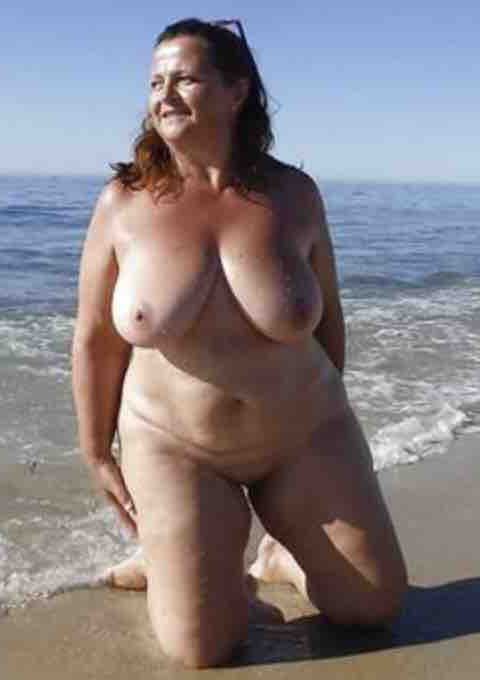
Сама Кузнекова всячески проповедует естественный образ жизни и никогда не использует купальный костюм в публичном месте, фото 2. Того же она требует от всех остальных; Кузнекова категорически против купальных костюмов.
Таким образом, случай Кузнековой показывает крайнюю степень фашистской ксенофобии, присущей многим тартарцам. Вместо того, чтобы позволить каждому и каждой появляться, купаться и плавать в таком виде, который ему или ей нравится, дикарка требует, чтобы все следовали её личным предпочтением.
Самым опасным является даже не столько мнение некоторых варваров, но то, что это мнение поддерживается действующим законодательством Кириана. Можно ожидать, что Людмила Кузнекова и её пособники будут и дальше раздувать конфликты по пустяковым поводам, вроде того, с какого конца следует разбивать варёные яйца. Такая ксенофобия описана в романе Джонатана Свифта «Путешествия Гулливера».
Многие обозреватели считают, что такие конфликты приведут к войнам между фермами Тартарии и распаду Тартарии в самом ближайшем будущем. Мы будем и в дальнейшем мониторить развитие событий в Тартарии. Следите за нашими новостями.
Ruvim looked at the publication in the Clever Times and compared it to the original movies stored at the Kirian National Library. The publication by the Clever Times was, softly speaking, not so correct.
Ruvim mentioned few mistakes in the publication and sent his notes to the Clever Times. However, the Clever Times did not published the Ruvim's note. The Editor replied with short message: «Thank you for the information. We'll keep in mind your opinion.»
Ruvim had expressed also his opinion about distribution of psychotropic drugs. By his opinion, the warning about the danger of these drugs is not sufficiently strong.
Administration of the Kirian National Hospital (Ruvim used to work there) considered the statements by Ruvim as «not convenient». In Tartaria, everyone (even a Dependent, property, slave) has right to express his or her opinion. So, the supervisor of the Hospital could not prohibit Ruvim to send his notes to any informational agency. However, the administration could sell Ruvim to the Kristovina Catholic Society without to indicate the reason. So they did.
Fedor Starov, Monk of the Kristovina Catholic Society come to the Kirian National Hospital and took Ruvim to the old fashion car. Monk told, that the Interface of the Federal Library of Tartaria had suggested that Ruvim Pechor could be useful for the scientific justification of the recent research related to the genotype of the first Humans, Adam and Eve.
Ruvim noted that the travel in a car is much more comfortable, than in a flier «Utкa4» converted from the military drone; and much better than in a steam locomotive in role of the stoker of wood.
Also, Ruvim mentioned the drastic change of landscape from the hippy dirty Kirian to the accurate and clean Kristovina - as soon as they passed the banner «WELCOME TO KRISTOVINA». ..
Monk could not answer the most of Ruvim's questions..
At Kristovina, the Ruvim's life happen to be very different from that at Kirian. However, that is another story.