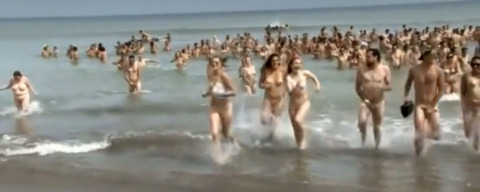
In this chapter, Ruvim Pechor takes part in a picnic..
Among other, the song «If tomorrow corrupt» is discussed.
Zina Vertuhaev describes her view on the human races and history of Tartaria.
The artistic play «Cannibal tale» is performed.
On the way back, Zina Vertukhaeva talks about her ancestors.
Picnic had been announced since the beginning of the semester, and the day came. Some walking, some food, some wine, some jokes, body-paintings..
Students and professors and technicians installed a big flag and the big screen at the edge of a lake, and made a big fire; they swam in the lake and jumped through the flame. Ruvim mentioned that no one uses any swimming-sute; most of participants were just nude.

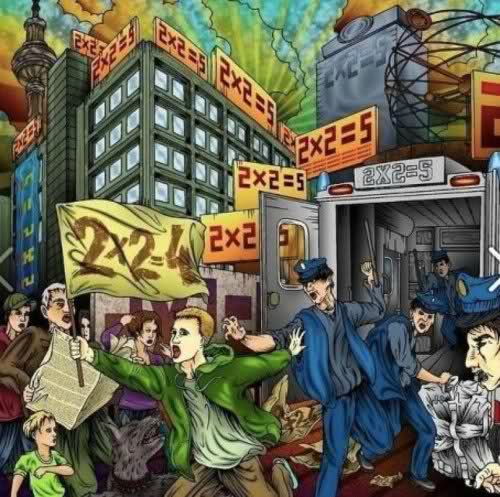


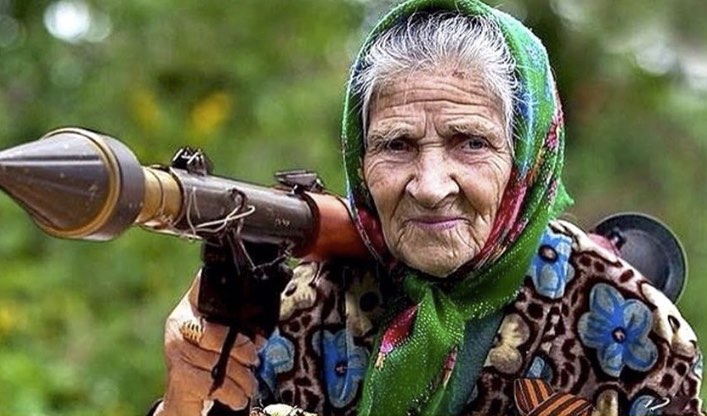


The jumps through the fire were accompanied by music, dances and songs. In particular, students and professors sing various historic songs.
Not all singers remembered the word of songs; the text of each song was displayed at the big screen.
After several songs, the Tartarians sang:
If tomorrow corrupt,
If the prudence disrupt,
If election fraud commenced
The Tartarian crowd
Send the files to the court
And the frauders will be sentenced.
Teachers and the students,
Will detect the moments
Of commitment electional fraud;
They describe the context,
And will rise the protest
And the voice of protesters be loud.
If tomorrow corrupt,
If the prudence disrupt,
If a fraud in administrations, -
All Tartarian people
Take from closets their rifles,
And defend prudence for our nations.
Yellows, blacks, whites and reds,
With long hair and skinheads,
Not allow criminal revolution;
Winter's cold, summers warm,
We'll stay for every farm;
To defend our Great Constitution!
If tomorrow terror,
If tomorrow be war,
If barbarians here appear, -
All Tartiarian people
Take in hands their rifles,
And we'll fight as a whiskery bear.
Islamists, Communists,
Christians and Buddhists,
Will forget for a while their disputes;
Farmers and the rentiers,
Doctors and engineers,
Puritanes and sexiest putas, -
All together will fight
To defend our right
To have different our religions,
We'll be all, hand to hand,
To defend our land,
Keep our virtues in any collisions.
This song caused the discussion.
One said, that the song is two centuries old, and there are many version of this song.
Another told that there was special industry for altering words of songs, and their maid factory had been called «Peredelkino», from the Russian world "переделать". And the original of the song was in Russian.

Some children did not understand why the song mentions colors yellow, blacks, white and red.
One guessed that this refers to history.
En fin, one had suggested, that Zina Vertuhaev can explain, as she got qualification A in history.
The explanations by Zina gradually converted to a king of lecture on history of Tartaria.

Black Red


Yellow White

Zina Vertuhaev began:
- Before the Bigpuf, there were large states. They all tried to dominate each other.
This is what our textbooks call the "main historical error", when one group thinks it must control all others.
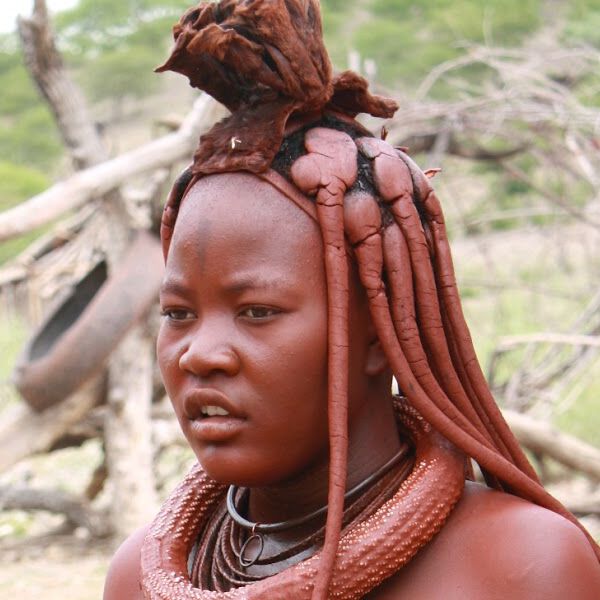
There were four main races: black, red, yellow and white. These colors are shown in our flag.
All races are different, and we need all the four races for the prosperity of the country.
But until this century, often, some of races tried to consirer themselves as superior. That caused wars..
This can be traced at least since the twentieth century.
The main struggle was between the "Red" and the "White".
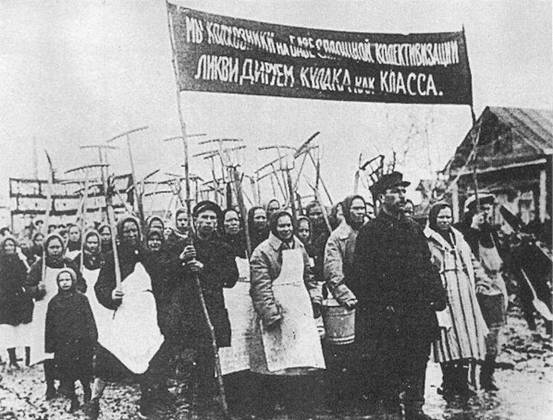
The most of population were whites. Most of them were farmers, so-called "kulaks".
The reds were less numrous but they were more organized and more aggressive. They used to fight under the red flag.
The “Red” system was highly centralized, organized, and aggressive. One leader, one ideology, strong control.
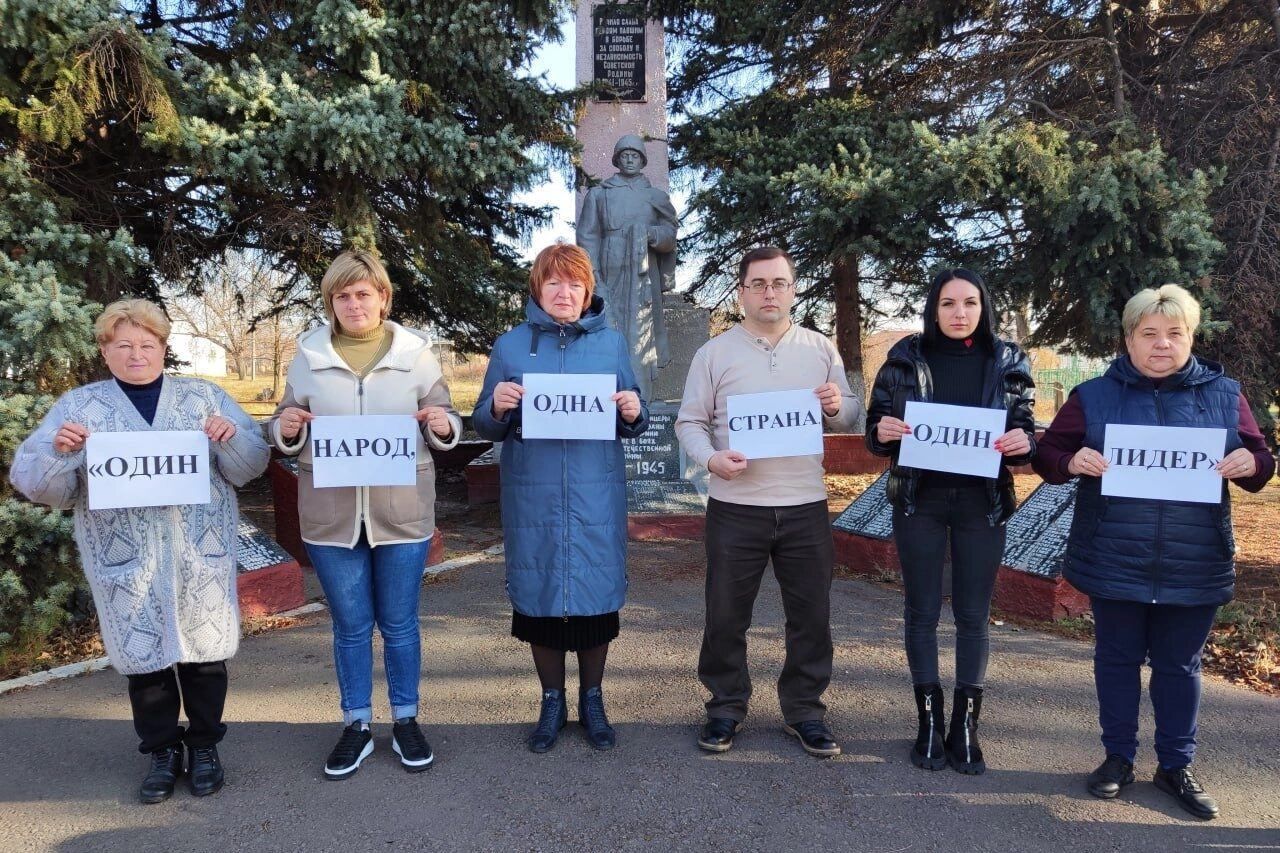
They used to say:«One Race! One Country! One Fuhrer!». In the Russian original, literally: «Один народ, одна страна, один лидер».
In textbooks, that period of history is usually denoted with term "Soviet Union”.
The reds had secret police, a lot of concentration camps, Gulag, censorship, all the attributes of fascism.
The ‘White systems’ were more distributed, but also unstable. They had their own problems: wars, insider trading, attempts to dominate others and other realpolitik.
The biggest conflicts are known as «World War I» and «World War II».
The reds claimed, that they won the wars; in particular, the World War II.
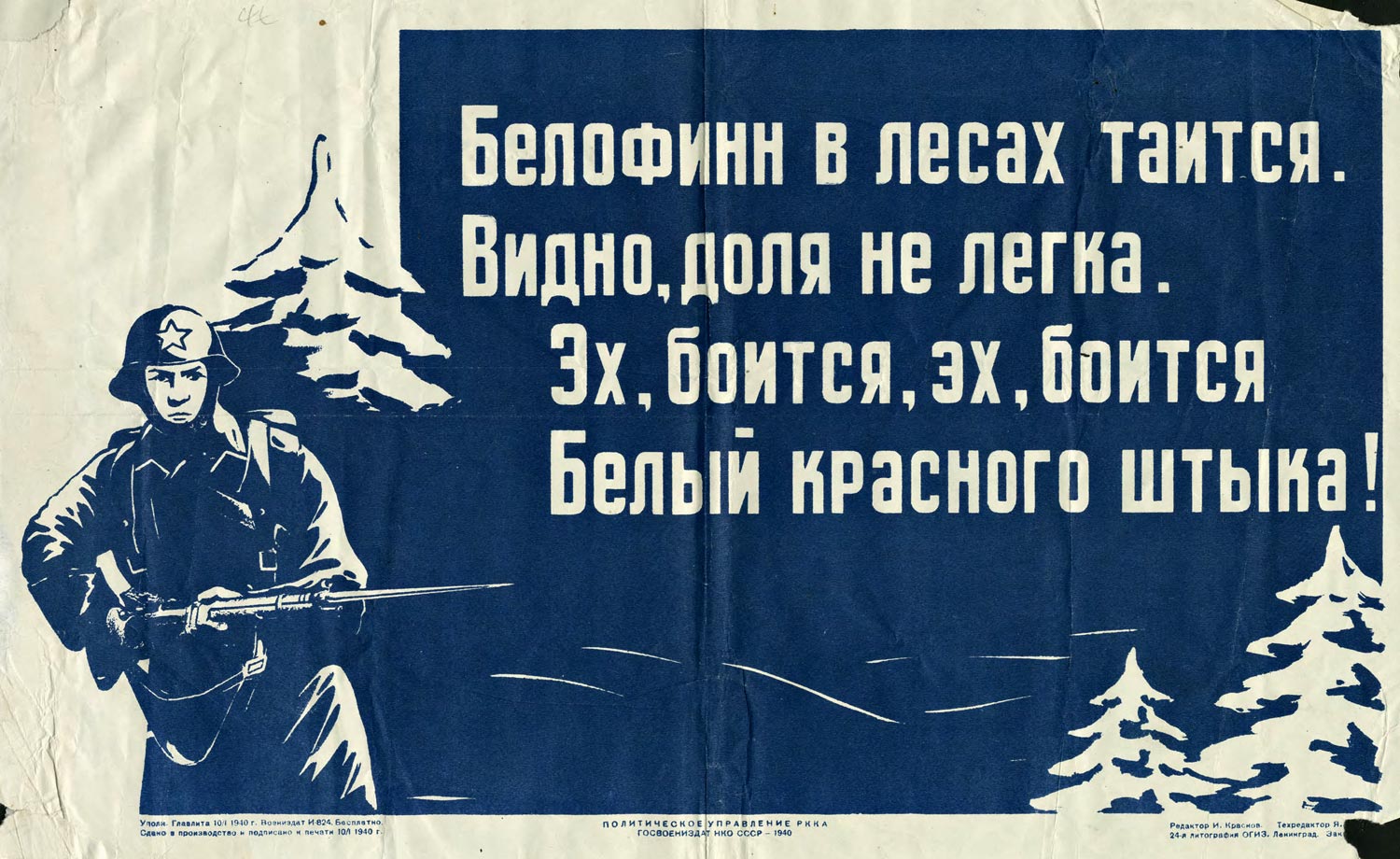
Some societies at north-west, do-called «Belofines», had white skin; the were exterminated. Only few of them succeeded to escape from the red terror. Now such an action is denoted with term «genocide».
The state terror happened with the white population of the central Eurasia.
The nazis used to say: "We'll kill all whites and build-up Communism". Тhe original statement was in Russian: «с белыми покончим, коммунизм построим».
This word refers to a non existing society; it was used as a pretext for the terror.
Тhe red nazis has exterminated the white farmers, they called them "kulaks".
But the country cannot live without agriculture.
That time, there was no technology to make synthetic food.
Famine followed. In extreme conditions, people began to consume the dead.
Such cases are classified as cannibalism. Since that, we all are cannibals.
By the way, for today, the performance is planned. It is called "Cannibal tale". I hope, it will clarify the case.
The important thing is to avoid the aggression, not to kill. However, if anyone is already dead, and the flesh is fresh, the food cannot be just destroyed.
The society cannot live just eating each other.
During a century, our ancestors had to buy food from other counties in exchange for the natural resources, mainly oil and gas.
Then, gradually, the agriculture had been recovered.
By the way, word "farm" is related to agriculture; initially, it means a small region, field, that produces food.
- How is it related with colors? - someone asked.
- All races are different, and their combination is important. - Zina continued. - The genocide disturbed the stationary proportion of races.
After so-called "victory" of the red army, the reds meet another problem:
the most of their population had been killed in the war, including all the professionals.
The reds had to invite the educated white people as specialists.
Often, the red women preferred the white partners as most educated.

In addition, the reds had to invite the blacks, so-called «Chernorabochi»;
that mean «Black for heavy labour». Some women preferred the black partners, because they were strong.
Also, the reds had to invite accurate yellows for the labour that require the precision.
Other races cannot compete with yellows in accuracy. Some red women liked the accuracy and preferred the yellows partners.
En fin, all races happened to be mixed. Now, it is difficult to find anyone pure black, pure red, pure yellow or pure white. In this sense, the song is not so precise.
All the races are important for the prosperity of the society.
The absence, suppression or discrimination of any race leads to the degradation of society.
For this reason, all the four races are represented in colors our flag: Black, red, yellow and white.
Any attempt to revive racial discrimination is met with severe punishment.
There is a special religion, eugenism. Its followers believe in the selection of purebred blacks, purebred reds,
purebred yellows, and purebred whites. It is believed that double crossbreeding will produce exceptionally intelligent individuals.
But their activities have nothing to do with the race discrimination; on the contrary, they respect representatives of each pure race. Any attempt to reincarnate the race discrimination causes the severe punishment.
Zina seemed to clarify the question about colors, but she could not stop and continued.
- In addition to races, the world wide struggled were about languages.
Some fascists believe, that their language is best, and all the nations should learn it.
Many conflicts were driven by a language. Some societies tried to impose a single language on others.
This led to wars.
We now know that any civilized person should know at least two languages; the more, the better.
This is as important as being able to distinguish a variety of colors; at least three primary ones: red, green, and blue.
But the people were lazy. Some of them believed, that it is sufficient to learn one language, and to force all other people to speak namely this language. That causes horrible wars.
Any language, without interaction with other languages, without borrowing words from other languages, degrades and becomes not efficient. Even if one language is declared as official, at least one additional language needs to be kept as a complementary.
One of the younger students asked something, and Zina nodded:
- Yes, later there were attempts to stabilize the system. Some countries tried cooperation. The USA often are mentioned as an example of the mixed structure.
Zina hesitated briefly, then continued more quietly:
- “But in some regions, particularly in what is now the Moscow region, the system fell into disrepair. Corruption, propaganda, the exodus of specialists… The system began to destroy itself. Professionals were imprisoned or even killed. Control increased, but effectiveness declined.”
Zima looked at Ruvim for a moment, as if expecting confirmation, then continued anyway:
- “Then came what we call the «Bigpuf». Total collapse. Wars, destruction of infrastructure, loss of population.”
Zina's tone became almost formal again:
- “After that, small local systems appeared. Farms. Some of them cooperated. That’s how Tartaria was formed. Initially, word «farm» referred to a society dedicated to agriculture.”
Zina smiled slightly.
- “The principle is simple: known errors must not be repeated.”
Then she added, more casually:
- “And especially important is not to hide information about previous errors, no censorship, no single truth, no uncontrolled power. That always ends badly.”
Zina seemed to be tired talking, and stoped. The students seemed to be satisfied with her explanations.
Ruvim had doubts about the simple concept of only four races: he used to read, that two centуrиes ago, there
was also 5th race, Greens. But Rуvim did not dare to argue with a student that has qualification A in histоry.
While Zina was finishing, the musicians—already affected by strong drinks—lost rhythm and stopped playing.
The organizers quickly replaced the music with a theatrical performance titled «Cannibal tale», as Zina had announced.
The performance showed the old story:
In the wilds of South America, for many centuries, lived a Savage Tribe.
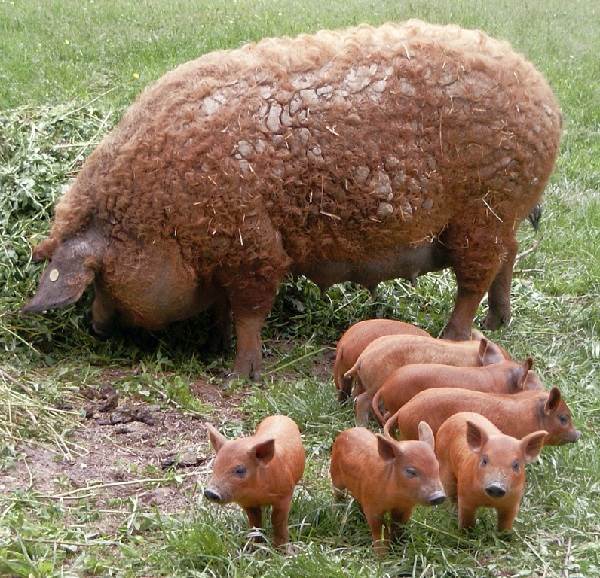
They ate fruits, nuts, cassava, and yams; hunted animals; bred pigs and rabbits. Sometimes they fought neighboring tribes. The dead were eaten.
One day, missionaries discovered the tribe.
That year, food was abundant, so the missionaries were not eaten. They were allowed to live near the village. The Savages supplied nussionaries with logging, food, water and other needs. In particular, the missionaries for opportunity to show the Savages the new play, called now "The missionary position".
The missionaries brought also other tools, technologies, and knowledge: language, arithmetic, and religious stories. Missionaries brought musical instruments; Savages learned to play them. During centuries missionaries stayed, replacing one other.
Missionaries taught the Savages English and basic sciences.
They also documented tribal life and sent reports to their sponsors.
However, the Savages quickly learned what the missionaries wanted to see.
Savages demonstrated clothing when filmed.
If the movie shown a coitus, it was always in the "missionaries" position and only in a case "one man + one woman".
Savages avoided showing violence or their real diet.
All meat offered to missionaries was presented as “pork”.
Thus, the missionaries formed a stable but incorrect picture of a “civilized” tribe.
Meanwhile, the Savages learned.
They adopted tools, crafts, and trade.
They developed metallurgy, machinery, and later energy and communication technologies.
They became integrated into global exchange — cautiously.
Eventually, the missionaries focused more on religion.
They explained the history of their civilization, including wars.
The Savages asked about casualties in the World War II and about camps such as [[Gulag]].
Savages learned that millions had been killed there.
This caused confusion.
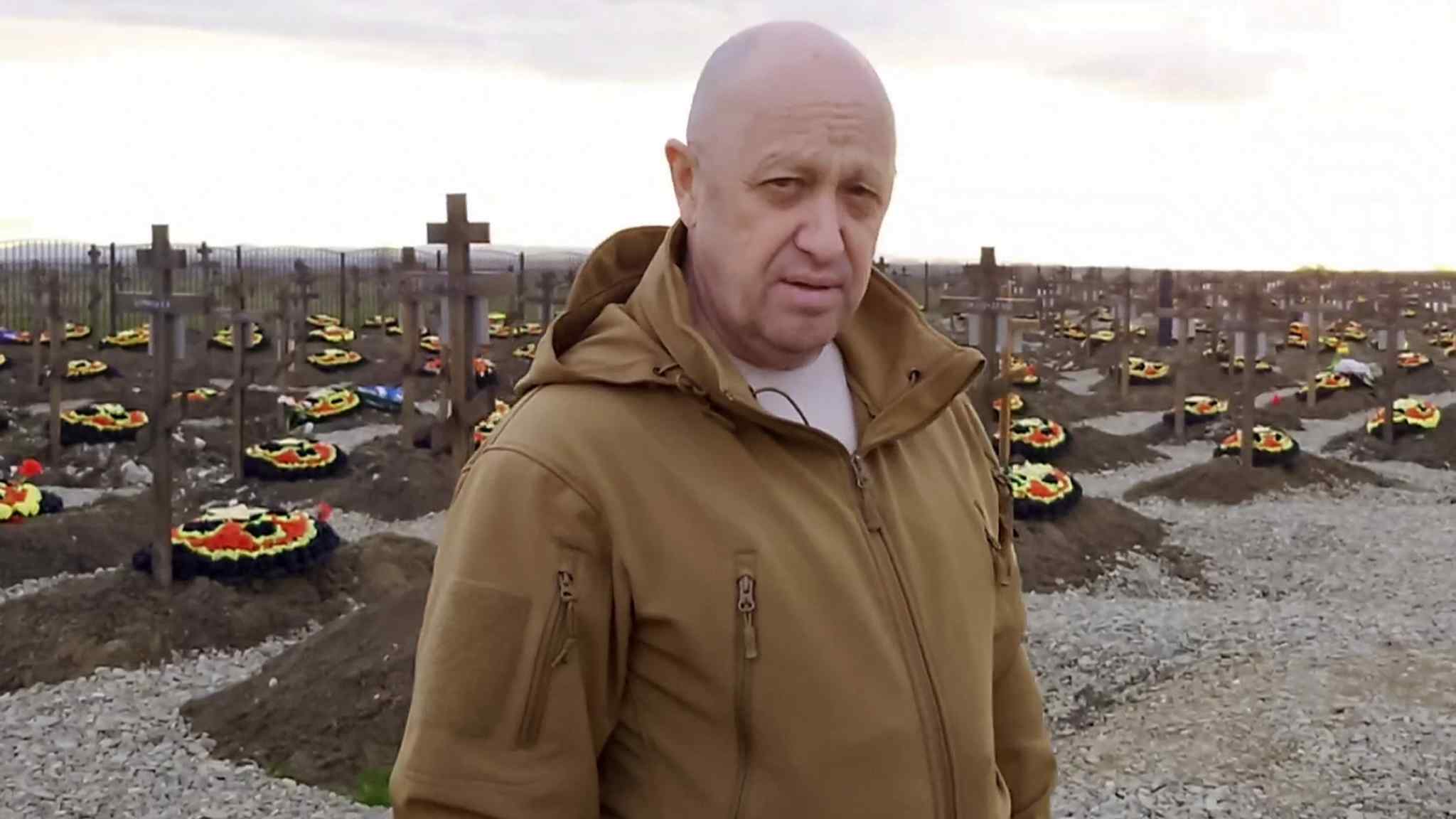
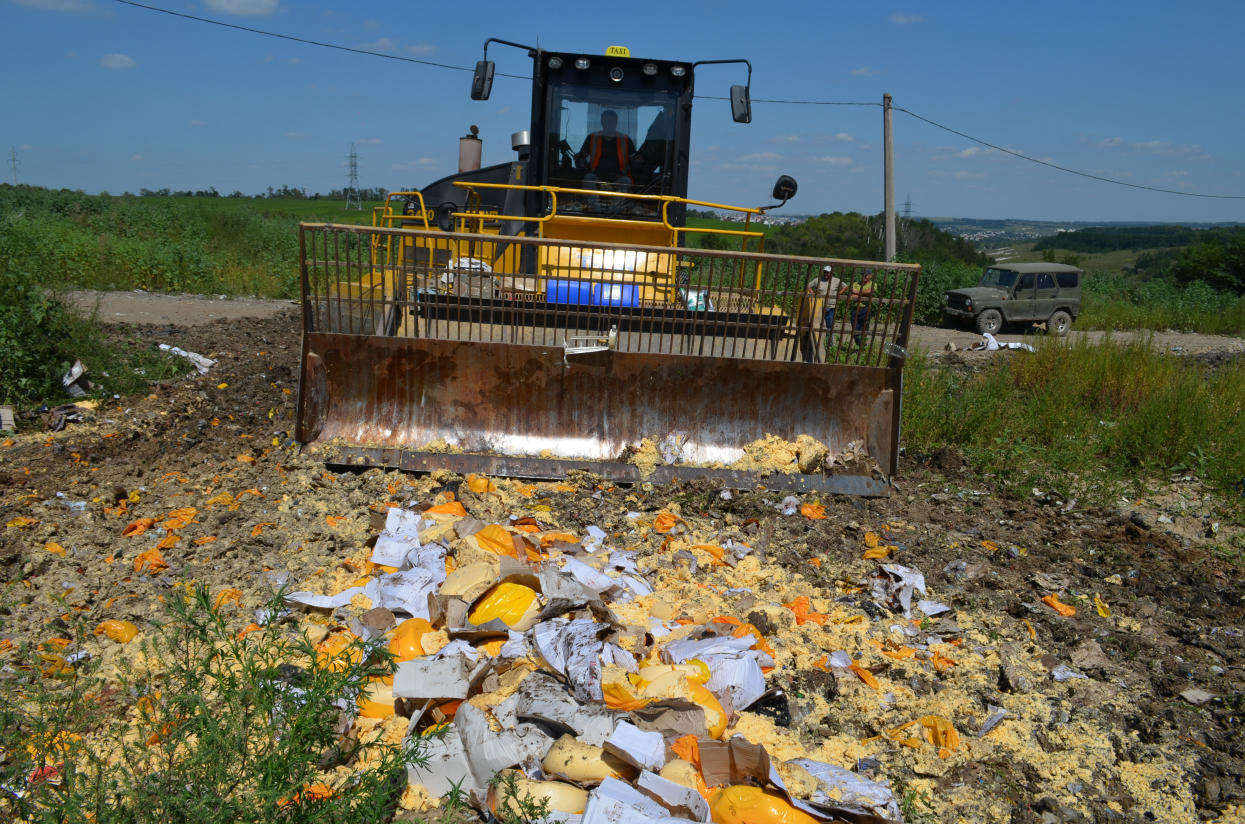
- “How long did it take to consume so many bodies?”
The missionaries answered:
- “They were not consumed. They were buried.”
This answer shocked the Savages. They asked to repeat. The missionaries repeated.
Then the Savages understood.
Killing in excess of food needs — and destroying usable resources — was interpreted as extreme barbarism. They also learned about practices of deliberate destruction of food.
This confirmed their worst conclusion.
The religion brought by the missionaries was associated with:
- large-scale killing,
- waste of resources,
- and justification of both; even glorification.
The Savages debated what to do.
Expulsion was considered unsafe.
There was risk that the missionaries would return with armies.
The decision was made.
The missionaries were killed.
In order not to become barbarians, the bodies were fully utilized.
After these events, the tribe formulated their principles.
They carved them into stone:
1. Live peacefully with neighbors when possible.
2. Do not steal, lie, or destroy food.
3. Do not kill without necessity.
4. Do not kill more than needed for food.
5. Use what is obtained before seeking more.
6. Avoid weapons that spoil food.
7. Distrust contradictory statements.
8. Test new methods before adopting them.
9. Question information from outsiders.
10. Learn from others, but carefully.
Since then, the tribe remains open but cautious.
Strangers are treated as potential threats.
Dangerous visitors may be killed — and fully utilized.
However, unnecessary killing is avoided.
At the end of the performance, the "pork made of missionaries" had been distributed to public.
Ruvim witnessed with his own eyes how "missionaries" were killed, dismembered, roasted over a fire, and brought to the audience. Ruvim almost vomited.
The realism disturbed not only Ruvim. The impression was, that the actors were indeed murdered and cooked.
To reduce the tension, the actors introduce an additional scene. It was apparent improvisation.
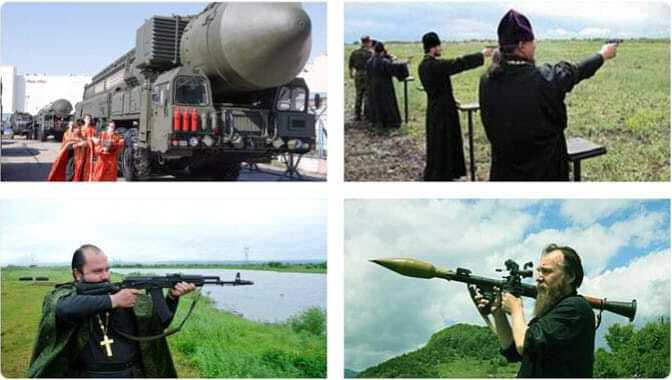
The Savages reject most of them.
Savages accept only controlled weapons: machine guns and drones.
Since that, before interacting with the tribe, a visitor must declare:
“We do not kill beyond our needs, and we do not destroy food.”
If the statement is true, the visitor is treated as civilized.

If not, the tribe will eventually discover the deception. The Savages are experienced observers. They have access to global information networks. False identities are usually exposed quickly.
Some visitors are released — to spread the message.
Among themselves, the Savages sometimes repeat a proverb:
“He who comes with poison will perish by poison.”
The last scene causes ovations. Again, all the actors climbed up the stage, confirming, that no one had been killed during the performance. They asked the participants to finish the food: in Tartaria, the destruction of food is prohibited.
The technicians were dismantled the stage and other installations.
The sun was already approaching the horizon.
The big fire already burned out; the only ache remained at its place.
The picnic was over.
Going back, Ruvim asked Zina Vertuhaev, where did she know about history of Tartaria and Galia.
- From papa. He got it from grandpa and grandma.
- Who are your grandpa and grandma?
- My grandma was sexworker at the concentration camp, and my grandpa was jailer there. They did not live long.. Papa was a small child, when the
Bigpuf begun.
Grandpa was killed at very beginning of the riot.. The Zone left without any supply, and the jailers begun to eat zeks.
Then the zeks rose and killed all the jailers.
They would kill grandma too, but they wanted to use her as professional first. Then she escaped, and lived few years more..
Then she was executed by the court for relationship with jailer.
My papa was supposed to be executed too, as family of jailer, but there was amnesty for children.
- I do not catch.. Could you repeat, please?
- My papa become an orphan, he did not know even his family name. He was called Vasia Administrator. The zeks killed my grandpa and burned the home of my grandma. Together with documents, of course.. My grandma escaped, but also did not live long. She was killed for relationship with jailer. Grandpa was not so brutal animal, as people told about him. He was tender with Grandma. And he helped her, when she gave light to Papa..
- Do you feel a discrimination because of your ancestors? - Ruvim asked.
- No. It is prohibited by law. However, one may not inherit properties of terrorists. The attempt to inherit may be punished.. My papa suffered a bit; he was even beaten by his schoolmates for this. Their parents were prisoners and then partizans.. They kicked son of jailers, son of those, who killed their parents. But papa got a machine gun and shot at his bullies. One of the attackers dead.
- Was your papa punished for this?
- No. One of bullies made vidеo of humiliation of Papa.. After receiving a bullet in his shoulder, he dropped the camera and the record remained there. The bullies did not expect, that Papa has a gun. That mоvie was a sufficient proof of innocence of papa. The court stopped the case after reviewing the recording. As soon, as the plaintiff and the father of killed boy accepted fact, that mоvie is original.
- Where did he got the gun?
- Stolen from father of one of his bullies.
- Was not your papa punished for robbery?
- Not at all. Court decided, that gun had been used for self-defense, and gun owner, father of one of bullies, had been qualified as guilty. For the poor education of his son. Victim is allowed to use any weapon against the attacker. Especially weapon of the bully. However, the gun was returned to its owner.
- What does it mean any weapon? And if the victim uses a-bomb, to explode the home of the attacker?
- I do not know, how far does right of self-defense go. If some innocent people are killed or injured, this is not good.. For this reason, the A-bomb is not recommended for self-defense. The court should decide. You may ask Pater Brown, he knows a lot of such cases. Some ten years ago, bulling, and the murders and terror as self-defense were popular. Now it is called "transfer of terror to home of terrorist"..
Ruvim wanted to ask more, but they were approaching the Campus; he said goodbye to Zina and colleagues and returned his home.