«Trulag» («Трулаг») is term invented for the sci-fi utopia «Tartaria».
The description below is prepared to avoid contradictions between different parts (“spoilers”) of this utopia. These parts are intended to assemble into a coherent narrative.
Articles «Trulag» and «Constitution of Tartaria» are planned as technical documents. These articles are necessary to avoid confusions, cpntradictions in the main narrative.
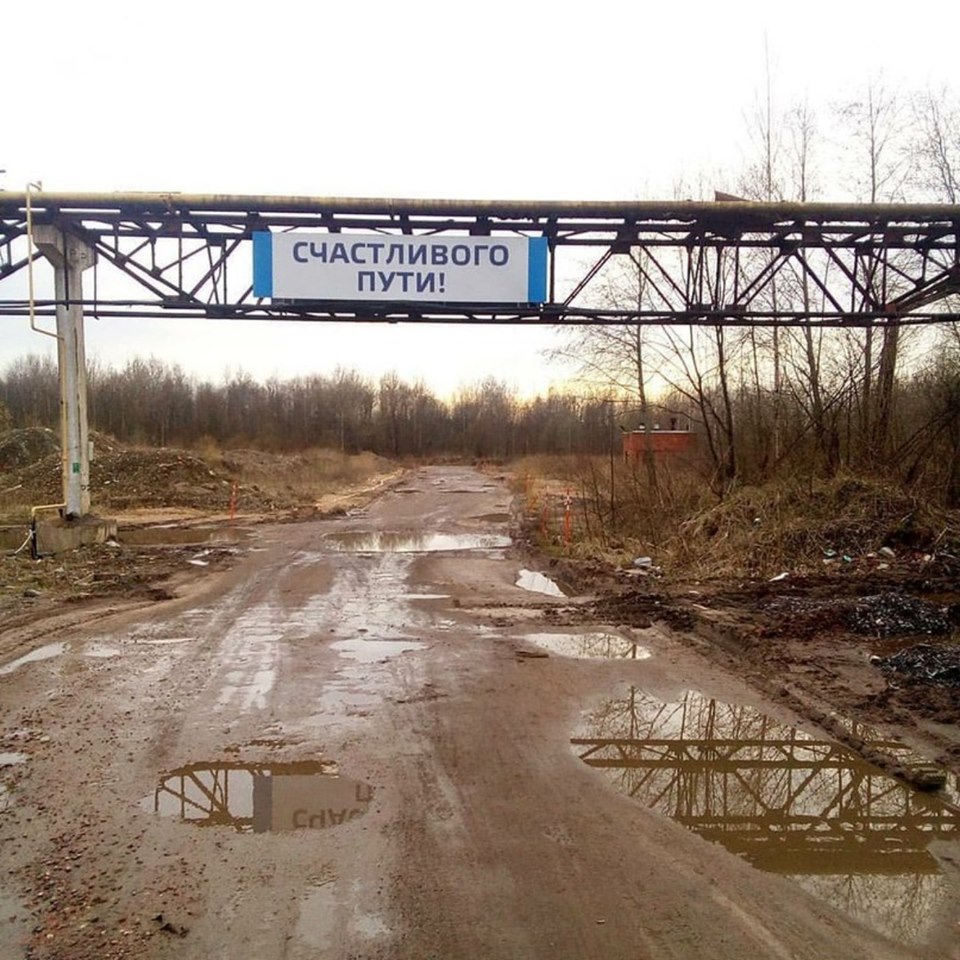
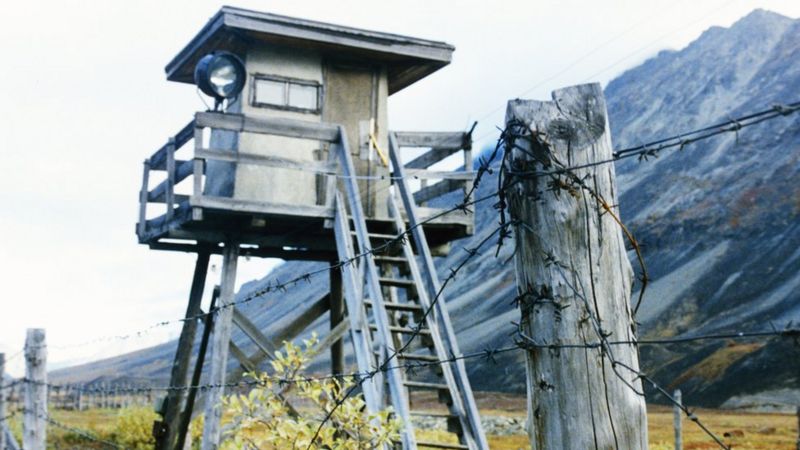
Trulag is a national (federal) organization in Tartaria dedicated to the management and adaptation of refugees.
Tartaria accepts all refugees.
Most refugees, upon arrival, are distributed to one of the Trulags for adaptation to life in Tartaria.
Equality of rights is neither declared nor assumed in Tartaria.
The population is divided into four distinct castes. The administration (Federal Junta, Coordinators, appointed officials, and elected judges) attempt to prevent overlap between them.
1. Citizens of Tartaria
This is the highest and most respected caste.
Citizenship is granted by a court decision, usually as a formal procedure.
A necessary and sufficient condition is the expectation that the person will obey Tartarian Laws, will follow local customs bribginf porofit to other citizen.
Typically, from a citizen, it is required knowledge of Basic English and at least one useful skill or profession. Often, a candidate previously had been a property (Dependant) of a Tartarian citizen.
2. Residents, guests, visitors
A resident is a person who has a source of income in Tartaria but does not have citizenship.
A guest is a person invited by a resident or citizen who supports their stay.
A visitor is a person with external income who pays their own expenses.
They do not participate in elections.
3. Refugees
A refugee is a person who has not violated Tartarian Laws, wants to stay but has no income.
The refugees form the most of population of Trulags.
4. Property (Dependents, slaves, zeks)
Humans can be property in Tartaria. This includes:
criminals (by court decision)
children (before citizenship)
individuals who had sold their freedom
Ownership may requires license (except for a mother and her baby).
Mistreatment is punished not to defend the slave, but to protect society from unrest.

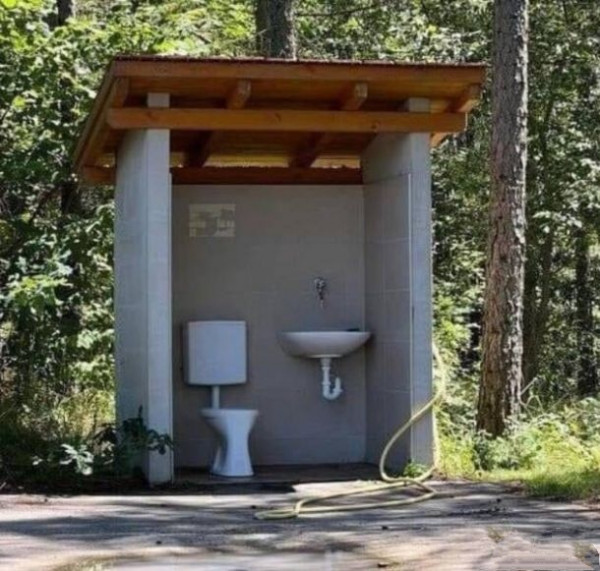
Most of population of a Trulag is formed of refugees.
To enter a Trulag, a refugee must declare willingness to follow Tartarian Laws and customs.
Also eligible:
unemployed citizens (citizenship becomes “suspended”);
bankrupts (if a bankrupt cannot find any employment and has no deubts that would convert the bankrupt to a property);
released prisoners without employment.
Disabled persons may also be placed in Trulags, even if their labour does not cover the maintenance.
There is no privacy in Tartaria.
Cameras are installed everywhere, including bedrooms and toilets.
Everyone carries a transmitting device.
All the records are stored in national and federal libraries and are publicly accessible.
Monitoring is especially strong in Trulags and even strnoger in prisons.
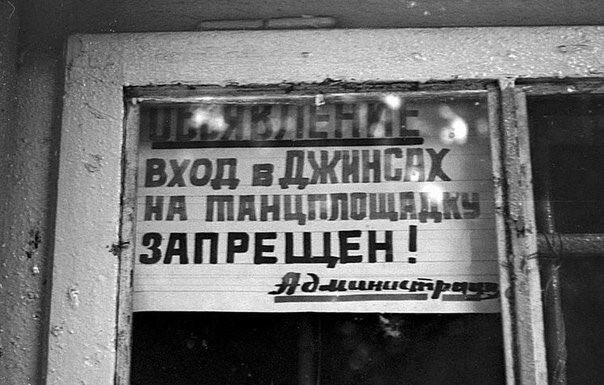
Refugees are restricted in movement; most of time the refugee stay at the Trulag: they live there, learn there and work there.
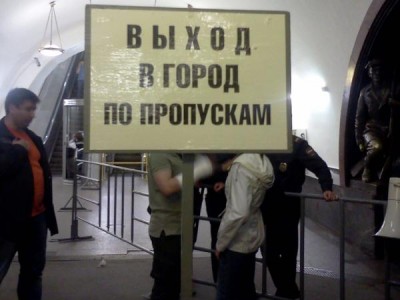
Refugees may leave Trulag only with special permission.
The permission is granted if the administration believes the refugee understands the Law.
However, the refugee may express the decision to leave from Tartaria. Then, within 24 hours the refugees will be deported from Tartaria, but unlikely to be allowed to enter again.
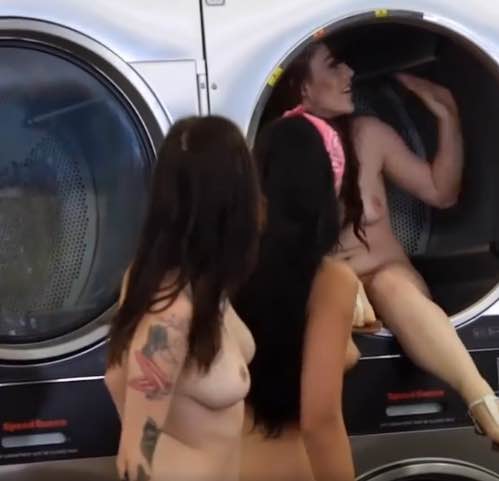
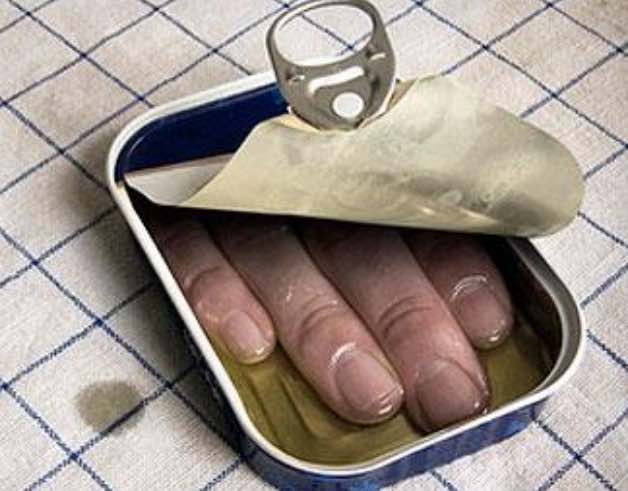
Trulags operate at zero profitability. Living conditions are minimal due to low productivity of unskilled labor. Temperature is maintained between 25°C and 35°C so that clothing is not required. Personal clothing is not maintained, but work clothing is provided when necessary. Air quality is maintained. Each refugee has about one cubic meter of personal space.
The conditions depend on performance: poor work → overcrowded spaces; good work → improved accommodation.
No dietary accommodations are provided.
Refugee may refuses the food and remain hungry.
Cannibalism is not prohibited under certain non-violent conditions.
Staff eat the same food as refugees.
Smoking and drugs are strictly prohibited.
Sometimes the ethanol-containing liquids are allowed by administration; usually so-called «shrewdriver»
or «taburetovka».
The distribution of refugees by groups is performed by the staff.
New refugees are placed in mixed groups:
different languages,
different religions,
different cultures,
different genders,
different ages.
Ideally, even two refugees with the same native language other than English
are not supposed to happen in the same group.
This has apparent purpose: enforce adaptation, prevent group isolation.
Often, refugees perform work that could be automated.
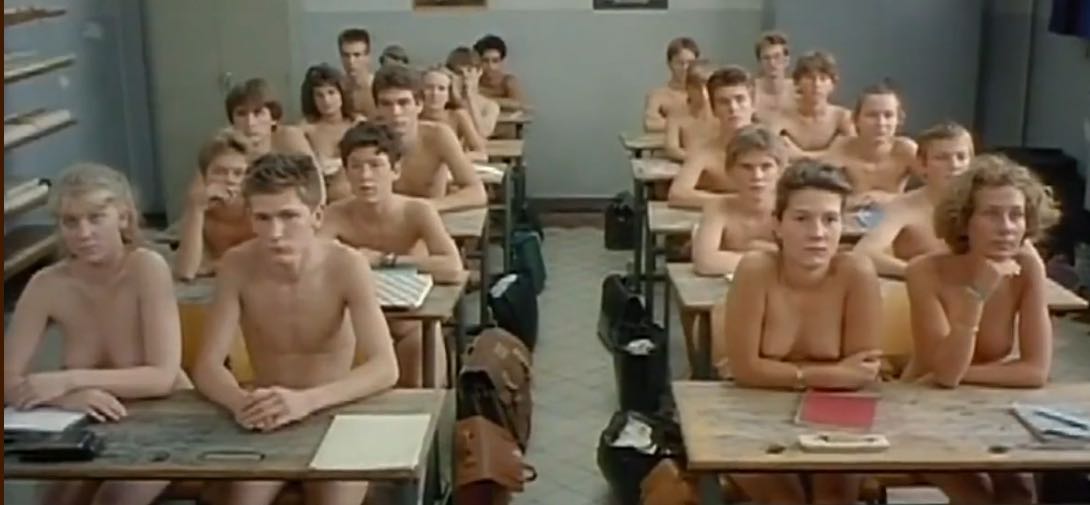
All refugees must learn
Basic English,
Tartarian Law,
Mathematics,
Physics,
History.
Also each refugee needs to master at least one profession.
Most of time of refugees is spent on work and study.
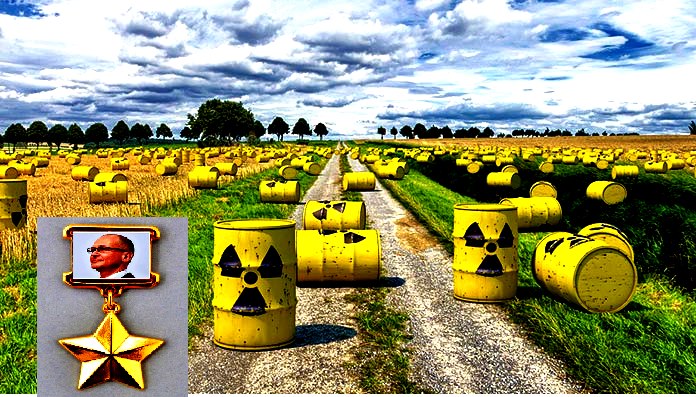
Hazardous work (such as radioactive cleanup) exists.
Preference is given to using slaves or convicts rather than refugees.
Refugees are considered valuable as future citizens.
However, some not so pleasurable work that can be performed by robots is often assigned to refugees.
A refugee may: leave Tartaria voluntarily,
apply for employment (it is default),
become a resident - as soon as the refugee finds an employment.
The normal path of refugees: Refugee → Resident → Citizen
Lying and misinformation are treated as fraud.
The system prevents hazing and informal hierarchies.
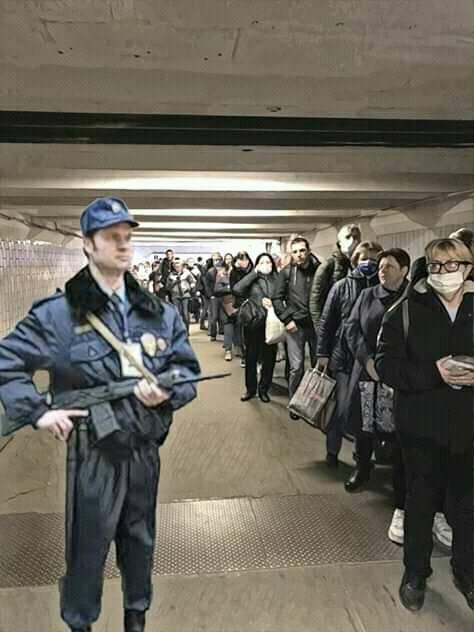
Staff are armed and trained to suppress unrest immediately.
References
https://www.gutenberg.org/files/829/829-h/829-h.htm J.Swift. Gulliver travels.. [First published in 1726–7.]
https://www.fadedpage.com/showbook.php?pid=20160545
Brave New World .. Huxley, Aldous Leonard Published: 1932
https://royallib.com/read/Sheckley_Robert/a_ticket_to_tranai.html#0
Robert Sheckley // A Ticket to Tranai (19??)
https://ia600203.us.archive.org/21/items/TheThree-BodyProblem2024/Arkady%20Strugatsky%20-%20Roadside%20Picnic.pdf
A.Strugatskii, B.Strugatskii. Piknik na obochine. English. 2012 // Roadside picnic / Arkady and Boris Strugatsky ; translated by Olena Bormashenko.. «.. Happiness for everyone! Free!..»
https://strugacki.ru/book_26/1128.html
https://www.rulit.me/books/monday-starts-on-saturday-read-498213-43.html
A.Strugatsky, B.Strugatsky. MONDAY STARTS ON SATURDAY Part 3.
Translated by Anderew Bromberg. STORY No. 3. All Kinds of Commotion (2026)
.. everyone was rich and free of care, and even the lowliest of plowmen had at least three slaves to his name. ..
A.Rozov. Deportation. (sci-fi about Meganesia)
2014.09.25.
https://www.rg.ru/2014/09/26/zorkin.html
25.09.2014 23:50 Власть Зорькин: Международное право становится сферой вольных интерпретаций .. «При всех издержках крепостничества именно оно было главной скрепой, удерживающей внутреннее единство нации. ..»
2026.06.02.
https://ru.themoscowtimes.com/2026/06/02/vrossii-predlozhili-vozrodit-detskie-trudovie-lagerya-a196965
В России предложили возродить детские трудовые лагеря. //
В России следует возродить советскую практику трудовых лагерей для школьников, заявила в эфире радио «Говорит Москва» уполномоченный по правам ребенка в столице Ольга Ярославская. По ее мнению, это позволит занять детей и подростков в летний период, особенно тех, чьи родители не могут обеспечить им «трехмесячную фиесту». //
В качестве примера омбудсмен привела собственный опыт работы в советском лагере труда и отдыха (ЛТО). «Нас в 7-м классе вывезли в Волгоградскую область пропалывать помидоры на 40-градусной жаре в бараке среди поля. Мы выжили, более того, я 120 рублей домой привезла. Мне кажется, возвращение трудовых лагерей — это реальная история, которая нашими детьми будет поддержана», — сказала Ярославская.
Navigation
«00». First Book of Tartaria, introduction.
«01». First Book of Tartaria, Chapter 1.
«02». First Book of Tartaria, Chapter 2.
«03». First Book of Tartaria, Chapter 3.
«04». First Book of Tartaria, Chapter 4.
«05». First Book of Tartaria, Chapter 5.
«Bigpuf»: Prologue
«Constitution of Tartaria»
«Tartaria Guide for Newcomers»
«Trulag», this article
----